Generic selectors
Exact matches only
Search in title
Search in content
Post Type Selectors

Level up your fitness journey with MuscleBlaze

MUSCLEBLAZE

THE DESTROYER OF PROTEIN WORLDS IS HERE

And it takes less than 24 hours

Close your eyes for a second and imagine.

Actually – don’t. You’ll want to read this.

It’s 2020. The world just walked into COVID-19. Fitness isn’t niche anymore – it’s everywhere, and we mean EVERYWHERE. Whey protein is the new currency of health. Shelves are emptying fast, and Instagram is drowning in shaker bottles.

But here’s the part no one wanted to talk about: a lot of those jars weren’t what they claimed. Some brands were giving less protein than promised. Others? Barely any whey at all.

For consumers, the hit was double: money down the drain and results that never showed up. And since protein fuels your body at a cellular level, this wasn’t just about slow gains – it was about long term health risks.

We’d known for a while that something was off in the protein world. But when it hit us in full view, our teams – Customer Insights, Marketing, R&D – rushed into action. 

We studied the problem, tested few solutions, dissected them in and out.

And 2 years later, in 2022, all that work gave birth to ProCheck.

So, What Exactly is Pro Check?

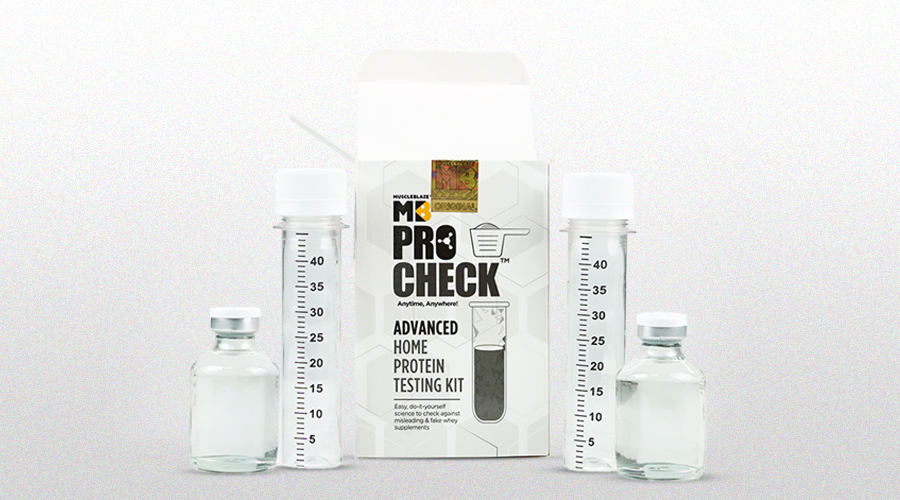
Think of it as the protein industry’s lie detector. A first-of-its-kind, do-it-yourself protein testing kit that anyone could use – no fancy lab, no white coats (though that would’ve been just as cool). Just a kit that tells you if your scoop of whey is actually worth your sweat.

The principle? Surprisingly simple. The kit contains a chemical (patent filed in the U.S. and India – India Application No. 202111035201, USA Application No. 17/871160) which reacts with pure whey protein leading to precipitation (kind of like how milk curdles into paneer when vinegar is added), determining the authenticity of whey presence & protein % in supplements.
Its Impact on The Industry

Its Impact on The Industry

When Pro Check launched, it changed the conversation in the fitness community. Suddenly, people had a way to verify their protein.

No Indian brand had ever attempted something like this. Even today, three years later, no one has managed to replicate it.

Because honestly, this wasn’t just a home testing kit – it was a statement:

  • That consumers deserve transparency.
  • That brands must be held accountable.
  • That science should be accessible.

But hey, Pro Check was never meant to replace ISO-certified labs or to point fingers at anyone. It was about raising the standard of trust. It was designed to give consumers a fair, unbiased way to call out fake or under dosed proteins.

How is It Different From Globally Accepted Methods?

Traditionally, protein is measured using the Kjeldahl method, a century-old standard that calculates protein by nitrogen content. While reliable, it has a blind spot: amino spiking.

Amino spiking is when brands add cheap nitrogen rich amino acids (like glycine or taurine) to trick tests into reporting inflated protein levels. Since Kjeldahl only detects nitrogen, it gets “fooled,” while the consumer gets little usable protein.

Pro Check closed that loophole. Its patent filed process not only validated protein content but also detected amino spiking – ensuring the percentage you saw was actual whey protein, not filler nitrogen.

Read More: Whey vs Plant-Based Protein: Which One is Better for You?

How to Use MB Pro Check:

  • Pour 35ml of MB ProCheck solution into the test tube.
  • Make 1 scoop of protein in 200ml of water and shake well.
  • Add 10ml of the protein to the test tube.
  • Follow the leaflet and see the result in 18-24 hours.

Looking Ahead

Pro Check wasn’t a one-off invention. It was a reflection of the MuscleBlaze mindset: to tackle hard problems in nutrition with real science, even if it means challenging the industry.

From exposing under dosed proteins to pioneering clinically tested absorption, our R&D team has always put transparency first. Because at the end of the day, protein isn’t just powder in a jar. It’s your effort. Your time. Your progress. And you deserve to know if it’s real.

Omega-3s: The Best Supplements for Brain Health

Hello Ziddis! When it comes to performance, most athletes focus on protein, hydration and training intensity but often take brain health for granted. Your mind is what drives your body. The ability to focus, react, stay sharp and endure are all functions of the brain and very important for your performance in strength building. Hard training can increase oxidative stress, slow down your recovery, and impair your cognitive function if not supported properly.

This is where omega-3 fatty acids come into play. They are the ultimate fuel for your brain. Omega-3s, with their potent anti-inflammatory and antioxidant properties, play a key role in maintaining brain health, mental clarity, and long-term neurological resilience.

Omega-3 for Brain Health

Components in Omega-3 fatty acids, namely primarily DHA (docosahexaenoic acid) and EPA (eicosapentaenoic acid), are essential fats that our body produces on its own. They are crucial for building cell membranes in the brain and promoting efficient communication between neurons.

Studies show that having higher omega-3 levels is linked to better memory, focus and mood regulation. When you have a deficiency of omega-3, you feel more fatigued, irritable and experience cognitive decline.

For athletes, maintaining optimal omega-3 levels supports mental performance, physical endurance and emotional stability during intense training.

Best Omega-3 Supplements

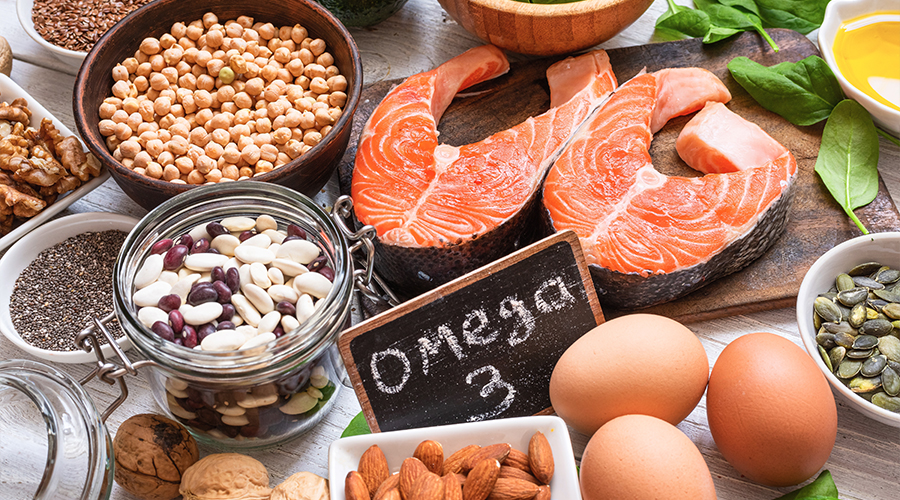
While fatty fish like salmon, sardines and mackerel are rich in omega-3, they do not suit everyone’s dietary preference. This is why supplements are a more convenient and reliable option to bridge the gap. The best omega-3 supplement is the one that provides high DHA and EPA concentration per capsule sourced from pure, sustainable fish oil and algae oil.

  • Fish oil capsules: The most common form and ideal for general use
  • Krill oil: Contains phospholipids that improve absorption
  • Algae oil: A vegan-friendly source rich in DHA, perfect for plant-based athletes

    Fish Oil Benefits for Brain

    Fish oil is a powerhouse of omega-3. The DHA in fish oil forms the structural foundation of the brain. EPA helps regulate mood and reduce inflammation. When combined, they work magic.

    • They support faster reaction times and mental clarity
    • They improve focus and learning capacity
    • Reduces stress and anxiety by balancing neurotransmitters
    • Lowers inflammation, which may contribute to mental fatigue
    • Regular supplementation has been linked to better outcomes in age-related cognitive decline and improved resilience against mental burnout.

      DHA and EPA for Cognition

      DHA and EPA for Cognition

      DHA makes up nearly 30 to 40% of the brain’s fatty acids, directly impacting how efficiently neurons communicate. It enhances synaptic plasticity, the process that allows your brain to learn, adapt and form memories.

      EPA, on the other hand, influences mood and mental well-being through its role in producing anti-inflammatory eicosanoids. These help reduce oxidative stress caused by strenuous workouts, keeping your mind calm and sharp even under pressure.

      When DHA and EPA shake hands to form a dynamic duo for cognitive resilience, they ensure your brain stays fit!

      Brain-Boosting Supplements

      While omega-3s are the foundation, combining them with other brain-boosting nutrients can maximise the benefits.

      • Magnesium, when combined with omega-3, can support relaxation, enhance sleep quality and help with brain recovery
      • Vitamin B supports energy metabolism and nerve function.
      • Antioxidants like Vitamin E and CoQ10 protect brain cells from oxidative damage.
      • Curcumin reduces neuroinflammation and supports memory

      Omega-3 by itself is great, but together these nutrients work really well.

      Read More: The Role of Omega-3 in Fitness and Recovery

      Takeaway

      Your brain is your command centre. Now and then, it requires oiling. Every sprint, lift, and stretch can use the energy of omega-3s not only to fuel your physical performance but also to protect your mental health. Prioritise omega-3-rich foods or high-quality supplements as part of your daily nutrition. A healthy brain equals a sharper, faster, and more resilient athlete. So gear up with your best fitness accessories and pour yourself a protein shake in your shakers, and let’s hit the gym with better focus!

      The Science of Sleep: How It Impacts Your Fitness Journey

      Hello Ziddis! Have you just started taking your health seriously? The reasons could be many, but the goal is often just one: a better future and a healthier life! When you think of health, you think of enrolling in a gym, buying protein powder, munching on protein bars, and ordering tools for working out. While all these, along with weights, running, and yoga, are great for you, you might be missing something important. The most powerful tool for progress is sleep! Quality rest is when your body repairs itself, grows stronger, and keeps your mind sharper. Let us understand how sleep impacts your fitness journey and progress!

      Benefits of Sleep

      Sleep is more than just rest. It is your body’s recharge, a vital biological process that supports your:

      1. Hormonal balance
        a. Regulating cortisol, which is a stress hormone
        b. Boosts growth hormone, which is important for muscle repair.
      2. Cognitive function
        a. Improves focus
        b. Boosts memory
        c. Helps in decision-making.
        d. Rejuvenates you to stick to your fitness plan
      3. Metabolism regulation
        Poor sleep disrupts hunger hormones like leptin and ghrelin, leading to overeating.

      Sleep Impact on Muscle Recovery

      Muscles don’t grow just because of lifting heavy weights. They grow when you let yourself recover after an intense workout. Deep, healthy sleep triggers protein synthesis and the release of growth hormone, helping to repair micro-tears caused by training. Without enough sleep, this repair process slows down, leading to fatigue, an increased risk of injury, and stalled progress.

      Sleep and Workout Performance

      Have you ever thought why your workouts feel harder after a bad night’s sleep? Sleep deprivation reduces your body’s endurance and coordination. The reaction times also become slower, and perceived effort feels higher. This means you would struggle more to lift as much or run as far as you usually do! On the flip side, a well-rested person has more energy and sharper focus to go to the gym and train harder.

      Importance of Sleep for Athletes

      If you are a professional athlete, sleep is often considered a performance enhancer. Studies show that athletes who have a healthy sleep pattern of about 8 to 10 hours have better sprint times and recovery rates. These athletes bounce back better while training. Sleep also lowers inflammation, helping the body bounce back faster from intense sessions.

      Sleep for Fitness Goals

      Whatever your fitness goals are, sleep is the biggest contributor to them.

      • For fat loss, poor sleep can cause more cravings for high-calorie food and a slower metabolism
      • For muscle gain, growth hormone is released when you are fast asleep. This is important for the repair and growth of muscle.
      • For endurance, consistent rest improves stamina and cardiovascular recovery.

      Read Also: Why Sleep Might Be the Most Underrated Fitness Tool

      Takeaway

      Your fitness journey doesn’t stop when you leave the gym. It starts with rest, which can fuel your workouts. Sleep is the secret ingredient to powering through and boosting your performance, not just physically but also mentally. Never take rest for granted.

      Electrolytes: Why They’re More Important Than You Think

      Hello Ziddis! When it comes to fitness and recovery, most of you focus on protein supplements, weight training and a healthy diet! All this is great, but some of the unsung heroes of your fitness journey are missed, like multivitamins, sleep and electrolytes! Electrolytes, often remembered during the most fatigues moments, are not just for the times you almost pass out from dehydration but in fact the way to avoid it. These tiny minerals, charged up with sodium, potassium, calcium and magnesium, are responsible for keeping your body’s system running smoothly. Whether you are lifting weights, indulging in a relaxing yoga or running a marathon, electrolytes can be a game-changer in your energy levels, muscle recovery and even sleep quality!

      Let us find out what these amazing components can do for you.

      Electrolytes Benefits

      Electrolytes, as the name suggests, are minerals that carry electric charges and help regulate essential bodily functions. They balance fluid levels, transmit nerve signals, contract muscles and maintain pH stability. Here’s what the main characters of electrolytes do:

      • Sodium: Maintains fluid balance and helps nerve transmission
      • Potassium: Prevents muscle cramps and supports heart function
      • Calcium: Fortifies bone strength and aids in muscle contractions
      • Magnesium: Aids muscle relaxation, reduces fatigue and supports quality sleep
      • Chloride and Phosphate: Help maintain acid-base balance and cellular energy

        When these electrolytes are in balance, you feel energised and your workouts are more efficient. You also recover faster. When the electrolyte levels in your body are not balanced, your body will start giving you signs via fatigue, headaches, or cramps.

        Importance of Electrolytes in a Workout

        When exercising, your body can lose a lot of electrolytes through sweat. This causes an imbalance in sodium and potassium levels. This loss can lead to dehydration, decreased endurance and slower recovery. Electrolytes are essential for your muscles to contract and relax properly. Without them, you may experience discomfort during a workout in the form of:

        • Muscle cramps
        • Fatigues
        • Weakness
        • Reduced stamina
        • Low metabolic rate

        Hydration alone isn’t enough, and water without electrolytes can do more harm than good when the dehydration is severe, but diluting the minerals in our body worsens the imbalance.

        Proper electrolyte intake also enhances muscle repair and glycogen storage after exercise. Magnesium and potassium, for example, help shuttle nutrients into muscle cells, while sodium assists in rehydrating tissues efficiently.

        Electrolytes for Athletes

        Electrolytes for Athletes

        Why electrolytes are important during workouts is also the reason why athletes bank on electrolytes so much. For athletes, electrolytes are not just an option or treatment for dehydration. It is a necessity. Endurance needed in sports like cycling, running, or swimming is significant, and so is the fluid and mineral loss. Studies suggest that even a 2% drop in body fluids can impair and disrupt performance and cognitive functions.

        Here’s how electrolytes specifically support athletic performance:

        • Hydration and endurance via Sodium
        • Nerve signalling for the electrical impulses
        • Recovery and repair through calcium and magnesium
        • Thermoregulation

          That’s why athletes often rely on electrolyte-infused water, coconut water, or sports drinks during long workouts. Many professional athletes strategically replenish electrolytes before, during, and after training, often using powders, gels, or specially formulated beverages.

          Natural Sources of Electrolytes

          • Coconut water – rich in potassium and magnesium.
          • Bananas and oranges – great for potassium.
          • Spinach and almonds – provide magnesium.
          • Sea salt or Himalayan salt – adds sodium and trace minerals.

          Electrolyte Deficiency

          Electrolyte imbalance can occur from a variety of reasons, like:

          • Sweating
          • Dehydration
          • Inadequate diet
          • Lack of watery fruits and veggies
          • Reduced salt levels

            When you experience electrolyte deficiency, your body will show signs in the form of:

            • Muscle cramps and twitching
            • Headaches and dizziness
            • Fatigue causes brain fog
            • Irregular heartbeat
            • Insomnia and restless sleep

              How Sleep and Electrolytes Work Together

              Deep sleep is our body’s natural way to recover. This is also the time when the growth hormone is at its peak, repairing tissues and building lean muscles. While electrolytes support this process by maintaining nerve function, they also reduce inflammation and stabilise our heart rhythm during rest.

              Here is the correlation:

              Magnesium, a tiny mineral present in your body, promotes relaxation. When magnesium is in a lesser amount than needed, external ways to have magnesium are incorporated, like sprays, tablets or electrolytes

              • Calcium helps the brain produce melatonin, which is a sleep hormone.
              • Potassium prevents night cramps and supports steady sleep cycles.
              • Sodium maintains hydration, preventing nighttime wake-ups due to thirst.

                Read Also: Electrolytes Explained: Why They Matter Beyond Workouts

                Takeaway

                Electrolytes are more than just salts in your body. They are vital elements to build your body’s strength, hydration and focus. Just like you need fit foods to support your diet, you need electrolytes to support your body functions. If you want to work on your fitness without feeling sluggish, lethargic and drained, take electrolytes seriously! At MuscleBlaze, you can find yourself electrolytes, which will become your best partner in your fitness journey.

                Magnesium: The Unsung Hero of Sleep and Muscle Recovery

                Hello Ziddis! You have likely heard about multivitamins, creatine, protein supplements, and even antioxidants, but have you paid attention to a really cool element called Magnesium? Sounds like a metal, but it is actually a solid support for your health. It deserves more noise and cheers, but it hardly gets any, even after it quietly supports multiple functions in our body. In this blog, we will talk about the unsung hero, magnesium and how we can make the most of it in sleep and muscle recovery.

                Magnesium Uses for the Human Body

                Some fun facts about Magnesiums:

                • It is the fourth most abundant mineral in our body.
                • It is involved in more than 300 enzymatic processes.
                • It is our body’s internal switchboard operator that helps in regulating systems, be it energy production or nerve signalling.
                • Magnesium plays an important role in ATP production, which is our body’s main energy currency.
                • Magnesium helps in protein synthesis, which is important for repairing our muscle tissue.
                • Magnesium helps in the proper firing of neurons and keeps the nervous system balanced.
                • Calcium triggers contraction, while magnesium allows relaxation, creating a natural balance.
                • Magnesium influences insulin sensitivity, which helps maintain healthy blood glucose levels.
                • Magnesium helps in transporting calcium into bones to reduce the risk of fragile and brittle bones.

                  Without enough magnesium, these systems can falter, leading to fatigue, muscle cramps, poor sleep, and even mood disturbances.

                  Magnesium Benefits

                  Magnesium has wide-ranging effects, which makes it one of the most versatile nutrients. It mainly helps in:

                  • Better sleep by helping the body relax and regulate the body’s natural melatonin production
                  • Helps in muscle recovery
                  • Promotes mental health by fulfilling deficiencies that could lead to anxiety or depression
                  • Calms your nervous system
                  • Enhance bone density
                  • Improve heart health
                  • Regulate blood pressure
                  • Lower the risk of hypertension and cardiac issues
                  • Reduces risk of type 2 diabetes

                    Recommended Daily Value of Magnesium

                    Despite its importance, surveys show that many people fall short of meeting daily magnesium requirements.

                    GenderAgeMagnesium needed per day
                    Male19 to 30-year-olds400 mg per day
                    Male31+ years old420 mg per day
                    Female19 to 30-year-old310 mg per day
                    Female31+ years old320 mg per day
                    Female (pregnant)18 to 40-year-old350–360 mg per day

                    Magnesium’s-rich foods include:

                    • Dark leafy greens (spinach, kale)
                    • Nuts and seeds (almonds, pumpkin seeds, cashews)
                    • Whole grains (brown rice, quinoa)
                    • Legumes (black beans, chickpeas, lentils)
                    • Fish (salmon, mackerel)
                    • Dark chocolate

                    You can opt for magnesium supplements if you are not getting enough from your daily diet.

                    Benefits of Magnesium in the Body

                    All the parts of our body benefit from magnesium’s. Here is an account of holistic wellbeing:

                    • Brain- Improves memory, focus and mental health
                    • Heart- Maintains healthy blood pressure
                    • Muscle- Reduces cramps, tension and recovery time
                    • Bones- Makes bones stronger with healthy bone density
                    • Immune system- Supports the body’s defence mechanisms.

                      Low magnesium levels may manifest as fatigue, irritability, irregular heartbeat, or muscle spasms. Over time, chronic deficiency can contribute to serious issues like osteoporosis or insulin resistance.

                      Benefits of Taking Magnesium at Night

                      Nights are for good sleep and relaxation. This is the time when muscles are most relaxed and get enough time to relax and repair. Timing matters, and nighttime is the best time to have magnesium.

                      • Supports melatonin
                      • Relieves muscle tension
                      • Calms the mind

                        People who take magnesium before bed often report fewer nighttime awakenings and improved sleep quality. If you opt for supplementation, forms like magnesium glycinate or magnesium citrate are often considered gentle and effective for relaxation.

                        Read Also: The Role of Magnesium in Muscle Recovery and Stress Management

                        Takeaway

                        Next time you are scrolling for your health supplements, your peanut butter or protein powder, make sure to check out the Magnesium supplements too. This magic element goes a long way to ensure you are healthy, fit and active, not just physically but also mentally.

                        Probiotics and Prebiotics: The Gut-Health Connection

                        Hey Ziddis! When talking about nutrition, you always end up thinking about the macros and the micros, counting the carbs and calories, weighing the protein according to your body’s calculation, but here is something you might be missing. You know it is important, and you talk about it often, but you never bring it up when discussing your nutrition plan. It is probiotics and prebiotics! The foundation of your overall well-being lies deep in the gut. A healthy gut not only helps in digestion but also your immunity, energy levels and mood. Probiotics and prebiotics are the two nutrients that fuel the gut ecosystem to keep you healthy.

                        Let us understand their importance and how you can include them in your daily nutrition for better fitness.

                        Prebiotics vs Probiotics

                        Though the names sound similar, probiotics and prebiotics have different yet complementary purposes.

                        Probiotics are live beneficial bacteria that live in your gut and support digestive and immune health. They help maintain the right balance of good and bad bacteria while keeping your system resilient against possible infections and inflammations. These microbes are naturally found in fermented foods like yoghurt, kefir, kimchi, and sauerkraut.

                        Prebiotics, on the other hand, are non-digestible fibres that act as food for the probiotics. Think of them as the fuel that keeps your good gut bacteria safe, strong and thriving. They are found in foods like garlic, onion, bananas, asparagus and oats.

                        To make it easier, remember this formula:

                        Probiotics = The good bacteria

                        Prebiotics = The food for the good bacteria

                        When they join forces, they can create a healthy environment in the gut, which is known as are gut microbiome. When the gut microbiome is healthy, it influences digestion, immunity and even your mental health.

                        Signs of Poor Gut Health and How Probiotics Help

                        Heard of the phrase “gut feeling”? Apply it to the actual gut, and you will realise that your gut always tells you what is out of balance and seems fishy! If you have been feeling bloated, tired, or sluggish, chances are that your microbiome might be signalling you for help.

                        Here are some common signs of poor gut health you must not ignore:

                        • Frequent bloating
                        • Feeling gassy
                        • Constipation
                        • Diarrhoea
                        • Food intolerances
                        • Inflammations or skin breakouts
                        • Craving sugar
                        • Low energy
                        • Brain fog
                        • Weak immunity
                        • Frequent cold or other sickness
                        • Skin issues like acne and eczema

                          When your gut bacteria are imbalanced, it is called as dysbiosis. It weakens your digestion and causes inflammation to spread throughout your body. This is where probiotics come into the picture. Probiotics help your gut by:

                          • Restoring the bacterial balance
                          • Improving the digestion
                          • Supporting immunity
                          • Improving mood by releasing the happy hormone, aka serotonin

                            For athletes, a healthy gut means better nutrient absorption, quicker recovery and improved endurance. When your body digests and assimilates nutrients efficiently, your performance naturally elevates.

                            Benefits of Probiotics and Prebiotics for Gut Health

                            When probiotics and prebiotics work together, they create a synbiotic relationship. This improves your gut health.

                            • Better digestion
                            • Better nutrient absorption
                            • Stronger immune system
                            • Reduced inflammation
                            • Improved mental health
                            • Weight management
                            • Better skin health

                              Best Foods Rich in Probiotics and Prebiotics

                              There are tonnes of ways you can fulfil your quota of probiotics and prebiotics.

                              Probiotic-rich foods you can include in your daily diet are:

                              • Yoghurt
                              • Kefir
                              • Sauerkraut
                              • Kimchi
                              • Tempeh
                              • Miso
                              • Kombucha

                                Prebiotics-rich foods, which can help your gut’s good bacteria flourish, are:

                                • Garlic
                                • Onion
                                • Leeks
                                • Asparagus
                                • Bananas
                                • Oats
                                • Barley
                                • Flaxseeds
                                • Apples
                                • Brown rice

                                  There are multiple ways you can combine probiotics and prebiotics to make them work better.

                                  • Bananas with yoghurt
                                  • Kimchi with brown rice
                                  • Apple kombucha

                                    Probiotic Strains for Digestive Health

                                    Probiotic Strains for Digestive Health

                                    Not all probiotics contribute to the same cause. Different strains offer different benefits, so it is important to choose the right one. When you are looking to support digestion, immunity or recovery, you might want to look for these:

                                    • Lactobacillus acidophilus
                                    • Bifidobacterium bifidum
                                    • Lactobacillus rhamnosus
                                    • Saccharomyces boulardii
                                    • Lactobacillus plantarum

                                      Some things you can be on the lookout for in probiotic supplements are:

                                      • Multiple strains
                                      • At least 5 to 10 billion CFUs per serving
                                      • Shelf-stable or refrigerated version, depending on the product

                                        Read Also: Can Probiotics Actually Help You Lose Weight?

                                        Takeaway

                                        Your gut is more than just a digestive organ; it’s the command centre for your health, immunity, and energy. Probiotics provide the good bacteria, while prebiotics feed them, creating a strong, resilient gut ecosystem.

                                        Start simple: add fermented foods like yoghurt or kimchi to your meals, toss some bananas with peanut butter and oats into your breakfast along with protein powder, and watch your energy, digestion, and mood.