Generic selectors
Exact matches only
Search in title
Search in content
Post Type Selectors

Level up your fitness journey with MuscleBlaze

MUSCLEBLAZE

Beyond Protein: Essential Vitamins and Minerals for Muscle Growth

Hey Ziddis! A show of hands for who thinks proteins are the most important elements for muscle growth! So many of you! You aren’t entirely wrong. Protein is definitely “one of the most important elements” for muscle growth, but it needs helping hands, too. While protein provides the raw materials for muscle repair, it is only a part of the process. True muscle growth and recovery depend on the vitamins and minerals that support processes from energy production to hormone balance and muscle contraction. These nutrients require a spotlight too, because without them, your progress will be slower, you will experience more fatigue, and it can even lead to injury.

Let’s understand what micronutrients make the real difference in muscle development.

Essential Vitamins for Muscle Growth

Let’s start with Vitamins, the heroes for body function. While they have their hands full with plenty of tasks to keep your body running healthily, the Vitamin complex is responsible for certain muscle growth-related processes too.

Vitamin D is a strong hormone. Not just for bone health, Vitamin D is also a key contributor to muscle strength and performance. It helps the body absorb calcium and phosphorus, both of which are critical for muscle contraction and also for recovery. Low Vitamin D levels are linked with reduced strength and slower muscle repair, especially in indoor athletes and those with limited sun exposure. So if you feel lethargic or fatigued often, it could be time to check your vitamin D levels. Sources of vitamin D are sunlight, plant-based protein like peas and mushrooms.

Vitamin B is the energy crew. The B-complexes of vitamins each have an essential task. Collectively, they contribute to converting food into usable energy. They help metabolise carbs, fats and proteins. This fuel is what your muscles depend upon. Vitamin B6 and B12 also play roles in the production of RBCs and ensure that enough oxygen reaches the muscles. Some sources of Vitamin B are whole grains, lentils, spinach and eggs. Vegans and vegetarian athletes should pay special attention to B12, as it is found mostly in animal products

Vitamin C is the recovery booster for your muscles. This has antioxidant elements that protect muscles from oxidative stress caused by intense workouts. It also supports collagen synthesis, helping maintain the integrity of muscles, tendons and ligaments. Vitamin C can be found in citrus fruits, amla, bell peppers and berries. Having these foods can reduce your post-workout soreness and speed up recovery.

Vitamin E is the shield for your cells. It is another antioxidant powerhouse that helps prevent muscle damage during exercise, as well as reduces inflammation. It supports the cell membrane health, ensuring muscle cells recover fast after the training. You can get Vitamin E through nuts and seeds, avocado, olive oil and other healthy fats.

    Micronutrients for Muscle Development

    While vitamins handle energy and repair, minerals handle the muscle ability to move, contract and stay hydrated. This is important for the nourishment of the muscles. Some heroes in the minerals clan are:

    Magnesium, the relaxation mineral, is essential for more than 300 biochemical reactions in the body, which include muscle relaxation, energy metabolism and protein synthesis. Magnesium deficiency can lead to cramps, fatigue and poor recovery. Almonds, spinach, pumpkin seeds and dark chocolate are some sources of magnesium. It is also an important nutrient in menstruating women, which, when balanced, can help with abdominal cramps. Magnesium helps balance calcium levels and prevent excessive muscle tightness while improving your muscle flexibility.

    Zinc is the growth catalyst that supports testosterone production, immune health and protein synthesis. These are all essential for muscle repair and hypertrophy. Even a mild deficiency can slow down recovery and reduce the strength gains. Some sources of zinc in our everyday foods are chickpeas, cashews, pumpkin seeds and whole grains.

    Iron is the vehicle for oxygen. Without iron, your muscles won’t get the necessary oxygen they need for performance and recovery. It is important for endurance not just in athletes or while working out, but also in menstruating women. You can raise your iron levels by including lentils, tofu, spinach and jaggery in your meals. When you pair plant-based iron with vitamin C-rich foods, it helps enhance the absorption.

      Calcium’s Role in Muscle Contraction

      Calcium=Bone health. This is something we have grown up thinking. But do you know that calcium is also important for your muscle health? It is vital for muscle contractions. Every time you lift a weight, calcium is pumped into muscle cells and that triggers the contraction process. Afterwards, it is pumped again to allow the muscle to relax.

      If calcium levels are low, this cycle will not prove efficient. It will lead to weak contractions, cramps or even injuries. Many athletes avoid dairy sources of iron and prefer sources like ragi, sesame seeds, almonds, tofu and fortified plant milks that can help maintain adequate intake. Pair calcium with vitamin D for better absorption and a stronger muscular response.
      Supersets and Mineral Balance in Training

      Supersets and Mineral Balance in Training

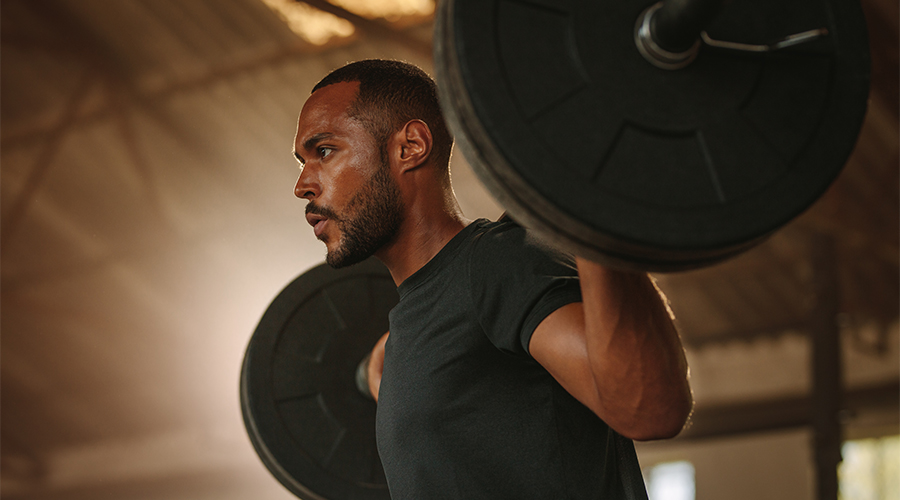
      Supersets mean performing two exercises back to back. This can rapidly deplete electrolytes such as sodium, potassium, magnesium and calcium. These minerals help maintain fluid balance, nerve signalling and muscular contractions. When you sweat a lot, you lose electrolytes, which can lead to fatigue, muscle weakness or cramps. To maintain a balance:

      1. Hydrate yourself by sipping water mixed with natural electrolytes like coconut water or a pinch of rock salt and lemon.
      2. Have a healthy fit foods mix of complex carbs, proteins and minerals for your post-workout meal.
      3. Avoid over-supplementing; instead, go with multivitamins

      Read Also: Eating for Energy: How to Stay Fuelled All Day

      Takeaway

      Building muscles is not just about lifting weights, bulking up on proteins and spending hours in the gym, but also gives your body everything that is necessary for it.

      Minerals and vitamins are extremely important for your muscle growth and need to be taken seriously. SO the next time you meal prep, go beyond proteins and find out if your meal has all the nutrients it takes to support your efforts of building muscle.

      Debunking the Myth: Do Fat Burners Really Work?

      Hello Ziddis! Working out is often the result of wanting to either lose weight or look bulky. But whatever your reason might be, burning fat is always the first step. The market is flooded with promises of quick weight loss by fat burners, which are often promoted as a magic potion to shed a few kilos in just a few days. But do these fat burners actually deliver the results that they proudly claim? Let us uncover what these fat burners promise vs what they deliver.

      Do Fat Burners Work?

      Fat burners are a type of dietary supplement which are designed to increase metabolism, reduce fat absorption and help the body burn more fat for energy. The common ingredients in these fat burners are caffeine, green tea extract, L-carnitine and capsaicin.

      The truth is, fat burners can have some effect on weight loss, but they are not magic pills to make your tummy flab disappear overnight. When combined with a nutritious diet, regular exercise and a healthy lifestyle, fat burners show the best results rather than when taken without any changes to make a better lifestyle. In short, they might offer a slight boost, but they are not a replacement for proper lifestyle habits.

      What Does a Fat Burner Do?

      Fat burners have a simple process of working, but several mechanisms:

      • Fat burners increase metabolism by using ingredients like caffeine and green tea extract. They temporarily boost your metabolism. This allows your body to burn more calories throughout the day.
      • Some fat burners contain compounds that help in reducing hunger, due to which you end up eating less than you usually would.
      • L-carnitine in fat burners helps in transporting fatty acids into cells, where they are transformed into energy. This process is fat oxidation.
      • Compounds like capsaicin, found in fat burners and naturally in chilli peppers, help increase body heat and calorie expenditure through the process of thermogenesis.

        While these mechanisms sound promising, their effects are modest and require your efforts as well. For example, caffeine-based fat burners can increase the rate at which your body burns calories by 50 to 100 calories per day, which is equivalent to a short 15-20 minute walk, so when complemented with movement, it will help you burn fat faster, but it can not be used as a replacement for a healthy diet or exercise.

        Advantages of Fat Burners

        Despite some limitations, fat burners have a great record in showing benefits on fat loss, like:

        • Short-term energy boost due to caffeine
        • Mild appetite suppression
        • Psychological motivation, focus and mental clarity
        • Improved metabolism because of ingredients like green tea catechins
        • Reduces hunger pangs and appetite

          Do Fat Burners Work for Weight Loss Without Exercising?

          Do Fat Burners Work for Weight Loss Without Exercising?

          A common misconception that people have is that fat burners are enough to burn your fat and vanish the flabs by changing them into chiselled abs. Unfortunately, fitness is hard work and requires you to maintain a calorie-deficient diet, a healthy lifestyle and regular movement to be able to see changes in your body.

          Fat burners increase the calorie burn and suppress the appetite, but without regular exercise and a balanced diet, the effects are minimal.

          For example, if you take a fat burner every day but also indulge in a high-calorie diet, the fat burners will barely show any effect, making you think it is futile. In this case, the fat burners are trying to stop the fat from building up, but can not be successful in burning your existing fat. Hence, it is important to understand that fat burners are supplements, not replacements.

          Fat Burners Benefits vs Calorie Deficit Diet

          When you compare fat burners with a calorie-deficient diet, there is no one way to determine which form is most reliable. When acted upon individually, calorie-deficient diets and fat burners have their own strengths and can, at best, help maintain fat quotient, but not much in losing that fat in a sustainable way. Healthy fit foods, including fewer calories for more nutrition, like oat protein, can help in maintaining a low-calorie snacking experience.

          When you combine the power of fat burners with a consistent calorie-deficient diet, you can achieve better results in your fat loss journey. A person who maintains a moderate calorie deficit through portion control, nutrient-rich foods, and regular physical activity will achieve better results than relying solely on a supplement.

          Read Also: Top 7 Ways to Make Fat Burners More Effective

          Takeaway

          Think of fat burners as a tool rather than a foundation. They may give you a slight edge, but the real transformation comes from building healthy habits that last. Always consult a healthcare professional before starting any supplement, especially if you have underlying health conditions or take medications. In conclusion, fat burners do work when complemented by a healthy lifestyle, but cannot replace the core pillars of weight loss: proper nutrition, calorie management, and regular physical activity.

          The Role of Collagen in Joint Health and Skin Elasticity

          Hello Ziddis! Have you read about collagen in your skincare products? Collagen is a miracle protein in our body, which we often only associate with looking youthful. Yes, that is the most fascinating gift of collagen, but did you know it can also support joint health? And many more things. Collagen is more than what meets the eye. So here we go, and check out all the great things about it, especially the role of collagen in joint health and skin elasticity

          Hydrolyzed Collagen Benefits

          Collagen is the most abundant protein in our body. It forms the foundation of connective tissues like skin, cartilage, tendons and ligaments. As we grow, natural collagen production in our bodies slows down. It makes us feel wrinkly, stiff and discomfort in our joint movements. Hydrolyzed collagen, also known as collagen peptides, breaks down into smaller amino acids that can be absorbed by the body easily.

          Studies suggest that the hydrolyzed collagen helps by keeping the skin hydrated, reducing fine lines and supporting bone and joint health. It is especially useful because it helps replenish the building blocks your body needs to maintain strong, flexible tissues.

          Collagen for Joints

          Healthy joints depend on strong cartilage, which is the cushioning material that prevents bones from rubbing together. When the collagen starts to decline with age or intense activity, the cartilage can wear down and increase the risk of stiffness, inflammation or injuries.

          Supplementing with collagen peptides may help reduce joint pain, improve mobility and slow the progression of age-related wear and tear. For athletes or people with joint stress, collagen provides structural support to ligaments and tendons, aiding in injury prevention and faster recovery.

          Collagen for Skin Elasticity

          Collagen plays an important role in how youthful and healthy your skin looks. 

          • It helps maintain skin thickness
          • It keeps your skin hydrated
          • It improves skin elasticity
          • Keeps the skin smooth and looks firm

            As the natural collagen starts to decrease, skin can start to look saggy and wrinkly. Collagen supplementation can help improve skin elasticity and retain moisture while supporting a radiant and youthful complexion. If you combine a healthy diet, SPF and collagen, it can be your bestie trio for younger-looking and healthy skin.

            How to Take Collagen

            How to Take Collagen

            Collagen supplements come in various forms, like:

            • Powders
            • Capsules
            • Ready-to-drink shots.

              Hydrolyzed collagen powder is the most popular form since it dissolves easily in your water, coffee, smoothie or even soups without impacting the taste, colour or texture.

              Experts recommend 5 to 10 grams of collagen daily for noticeable benefits, though consistency is key.

              Pairing collagen with Vitamin C-rich foods like oranges, bell peppers, amla, or Vitamin supplements can further enhance absorption and collagen synthesis.

              Read Also: Top 6 Reasons Why Collagen is A Gift for Weight Training Individuals

              Takeaway

              Collagen is really important for your body to maintain the same youthful look and feel. With naturally decreasing collagen levels, you’d want to supplement it. Your body will use it to replenish its reserves while giving you youthful skin and stronger joints. Vitamin supplements, hydrolyzed collagen powder and omega-3 capsules are a powerful health duo you can look into for your wellness routine. It is not just about looking young but also feeling young.

              Hydration Starts the Night Before

              Hello Ziddis! Have you ever woken up parched or felt cramps during your morning workout? What do you think about the fact that proper pre-hydration could have avoided? Confused about what it means? Let us help you understand.

              What is Pre Workout Hydration?

              Pre-workout hydration is not just about chugging water right before hitting bed or after waking up for your morning workout. It means you start your steady, consistent intake of fluids hours before you hit the gym, mostly from the previous night. Since your body loses water during sleep through normal bodily functions like breathing and sweating, entering a workout already dehydrated is a pretty bad idea and can limit your energy and performance.

              Benefits of Pre Hydration

              Here’s how pre-hydration can help you improve your fitness game:

              • Improve your endurance during muscle work.
              • Fluids help carry oxygen and nutrients to cells
              • Staying hydrated prevents overheating during exercise
              • Adequate water levels lower the risk of muscle cramps and tiredness.

                Does Hydration Before Exercise Really Help

                Does Hydration Before Exercise Really Help?

                Studies show that athletes who hydrate well in advance perform better than those who only sip right before or during the workout session. Drinking water throughout the day can help your cells, muscles, and joints be ready to handle stress. Waiting until the moment when dehydration strikes and you feel parched is often responsible for making you feel bloated, chapped lips and brain fog.

                Morning Hydration Tips

                Adding some hydration habits to your day can help you stay hydrated effortlessly.

                • Start your day with a tall glass of water to replenish lost fluids
                • Add electrolytes, a pinch of salt or a hydration tablet to replace the lost minerals
                • Balance your food by pairing fluids with each meal, like fruits or yoghurt
                • Avoid excess caffeine to prevent dehydration
                • Drink more water if you have started a course of gym supplements like creatine

                  Read Also: Are You Really Hungry or Just Dehydrated?

                  Takeaway

                  Hydration is not a task; it is your body’s necessity. If you drink enough water the night before, replenish in the morning and stay consistent throughout the day, your body will feel better during any exercise and give you a better outcome.

                  Is Your Protein Shake Actually Helping You?

                  Hello Ziddis! No matter if you are new to the fitness world or a seasoned player, protein shakes have been there before you. It came like a fad and stayed like a lifestyle. For fitness, it became a holy grail, and everyone started incorporating it into their diet after understanding that only food was not enough to fulfil the protein needs one has when they start working out. So let’s learn how a protein shake actually helps you.

                  Protein Shakes Benefits

                  Protein shakes have become a go-to for fitness enthusiasts, busy professionals and anyone who is looking to support their muscle growth and recovery or just manage their nutrition better. There are tonnes of benefits, but here are some of the most important ones:

                  • Muscle repair and growth after workouts
                  • Convenient nutrition when you have a busy lifestyle
                  • Support for weight management
                  • Satiety for a longer duration
                  • Balanced macros for those who are struggling to meet daily protein needs through food alone.

                    Despite all these benefits, relying on just the protein shake does not guarantee results. Your daily nutrition via food is also important. Whereas in the case of protein shake consumption, its type and timing also matter.

                    What Makes a Protein Shake Effective

                    A protein shake is effective when:

                    • It contains high-quality proteins like whey isolate, pea protein or other complete proteins
                    • Has the right amount of protein value. Typically, 20 to 30 grams per serving is good for most adults.
                    • Does not come with excessive sugars, additives or fillers that can turn it into an unhealthy dessert instead of a health supplement

                      How to Choose the Best Protein Shake

                      How to Choose the Best Protein Shake

                      Picking the right protein shake is easier when you understand your body and its needs.

                      • Check the label to look for protein content, ingredients and additives.
                      • Match it to your dietary needs. If you are lactose intolerant, go for dairy-free or plant-based options; if not, then whey protein is usually the best bet.
                      • Some proteins can cause bloating, which you would understand only after trying. So keep a check on how your body feels after you start that protein.
                      • Quality over quantity is always the right approach. What matters in a protein shake is its is absorption and balance.

                        Protein Shakes as Part of a Healthy Diet

                        A protein shake should supplement your diet, not replace it. It is a part of a healthy diet, not the whole diet. Whole foods provide fibre, micronutrients, carbs and more nutrients, whereas a protein shake is only responsible for your protein intake. You should use protein shakes as a post-workout fuel. It can also be a quick snack to start your mornings on a protein-rich note. For people who love a good smoothie, you can add protein powder to it for extra protein.

                        Whether you put it in shakers or make an extravagant recipe out of it is on you, but do not use it to replace real food.

                        Read Also: Should You Drink Protein Shakes on a Rest Day?

                        Takeaway

                        Your protein shake can help you reach your fitness goals, provided you understand its value and shortcomings well. Choose your protein wisely. At MuscleBlaze, we have a range of protein supplements that suit your goals and dietary needs, along with fitness accessories and wellness supplements. Let’s get fitter but pushing ourselves to a healthier lifestyle!

                        Natural Ways to Boost Metabolism

                        Hello Ziddis! Are you trying to lead your best life, look fit, feel healthy and get stronger? The only thing that can hinder or elevate your health is metabolism. Metabolism is your body’s way of converting food into energy. This energy can help you push through the day. But is metabolism something you can work upon and improve your fitness? Yes! Totally. Let us understand how, with just some lifestyle hacks and natural foods, you can rev up your metabolic rate.

                        Metabolism Booster

                        Metabolism, as we already know, is the process by which your body converts food into energy. A faster metabolism means you are burning more calories even when you are resting. Isn’t that really great? Who wouldn’t want it? For this same reason, we will talk about natural booster which can help in increasing the metabolic rate. Some of the natural boosters are:

                        • Staying hydrated
                        • Adding more protein-rich food to your diet
                        • Drinking green tea or black coffee instead of its milky and sugary alternative
                        • Spices like chili, turmeric and ginger to increase thermogenesis of your body
                        • Adding movement after every meal

                          Anti-Inflammatory Diet

                          Chronic inflammation can slow down you metabolism and lead to weight gain. Following an anti-inflammatory diet not only improves metabolic health but also supports overall wellness.

                          Some of the foods that can help you are:

                          • Fresh fruits and vegetables especially berries, leafy greens and citrusy fruits
                          • Omega-3 rich foods like flaxseed, walnuts, fatty fish
                          • Whole grains instead of refined carbs
                          • Herbs and spices such as turmeric, cinnamon and garlic

                            These foods help reduce oxidative stress, maintain stable blood sugar levels, and improve fat metabolism.

                            Natural Weight Loss Boosters

                            Discovering natural weight loss boosters is a game-changer for your fitness journey. Some natural foods can be very helpful in weight loss, such as:

                            • Proteins: Chicken, pulses, lentils, and more protein-rich foods help in keeping you full and prevent overeating
                            • Fibres: Foods such as oats, legumes, vegetables and foods can help in better digestion
                            • Green tea or herbal teas can provide catechins and antioxidants that help in fat oxidation
                            • Healthy fats: Avocado, seeds, olive oil, and fish can help support hormone balance, which in turn helps in weight management.
                            • Fit foods: These have no nonsense ingredients and give more energy for less calories.

                              Lifestyle Changes to Boost Metabolism

                              Lifestyle Changes to Boost Metabolism

                              Simple habits in your daily life can make a big difference in how efficiently your body can burn calories. Such as:

                              • Staying active by including strength training and yoga to build lean muscle mass. Muscle tissue burns more calories than fat.
                              • Moving throughout the day, like taking stairs, walking during calls or stretching every hour.
                              • Hydrate consistently by drinking enough water to increase calorie-burning
                              • Getting good quality sleep can help regulate hormones like leptin and ghrelin, which are responsible for hunger.
                              • Stress management is really important because high cortisol can slow down metabolism. Try meditation, deep breathing or nature walks.
                              • Having meals at regular intervals can help stabilise metabolism.
                              • Have your multivitamins, which can help you power up for all the activity and bodily processes.

                                Read Also: Building Muscle for Weight Loss: Exploring the Metabolism Advantage

                                Takeaway

                                You don’t need supplements or extreme diets to boost metabolism. You need natural ways to boost it yourself. Some simple changes in lifestyle and diet can help. By making small, consistent efforts in your lifestyle, you can naturally help your metabolic rate, support your healthy weight management and feel more energetic every day.