Generic selectors
Exact matches only
Search in title
Search in content
Post Type Selectors

Level up your fitness journey with MuscleBlaze

MUSCLEBLAZE

How Ashwagandha Can Improve Your Workout Performance

Hello Ziddis! Have you been considering natural supplements? Studies show that natural supplements can help boost your workout results and maintain your body’s and mind’s health. Ashwagandha often comes up in these discussions. This ancient Ayurvedic herb, often called “Indian ginseng”, is known for its adaptogenic properties. It helps the body adapt to stress, enhances energy, and improves endurance. But beyond general wellness, modern studies now show that Ashwagandha can significantly enhance athletic performance, muscle recovery, and even testosterone levels. Let’s see how Ashwagandha can improve your workout performance

Ashwagandha Benefits

Ashwagandha (Withania somnifera) is a powerful adaptogen that supports both mental and physical performance. Its key benefits include:

  • Reduces stress and cortisol levels
  • Boosts energy and stamina
  • Enhances focus and motivation
  • Improves sleep quality
  • Reduce cortisol levels

By balancing the body’s stress response, Ashwagandha creates an ideal internal environment for muscle repair and consistent training performance. Ashwagandha keeps your mind at peace so that your body can heal better and faster.

Ashwagandha for Athletic Performance

Athletes and gym-goers can experience measurable gains with regular use of Ashwagandha. Clinical research shows:

  • Increased VO₂ max
  • Improved overall stamina
  • Faster recovery
  • Reduced muscle damage
  • Reduced inflammation
  • Enhanced strength and power output
  • Improved testosterone and DHEA levels
  • Muscle growth
  • Better energy levels
  • Improved focus

In short, Ashwagandha helps you train harder, recover faster, and stay mentally balanced.

Ashwagandha Dosage for Workout

The ideal dosage can depend on the extract type and individual goals. Most research suggests that taking 250–500 milligrams (mg) per day for at least one month may be beneficial. For best results, take Ashwagandha with meals and use it consistently for at least 6–8 weeks to see full benefits.

It is advisable to consult a physician before starting this dosage, especially if you are pregnant or lactating.

Ashwagandha for Athletic Performance

Ashwagandha for Muscle Growth

Muscle development through several mechanisms:

  • Boosts testosterone and growth hormone activity.
  • Reduces cortisol, which can otherwise break down muscle tissue.
  • Improves protein synthesis, leading to better muscle recovery and gains.

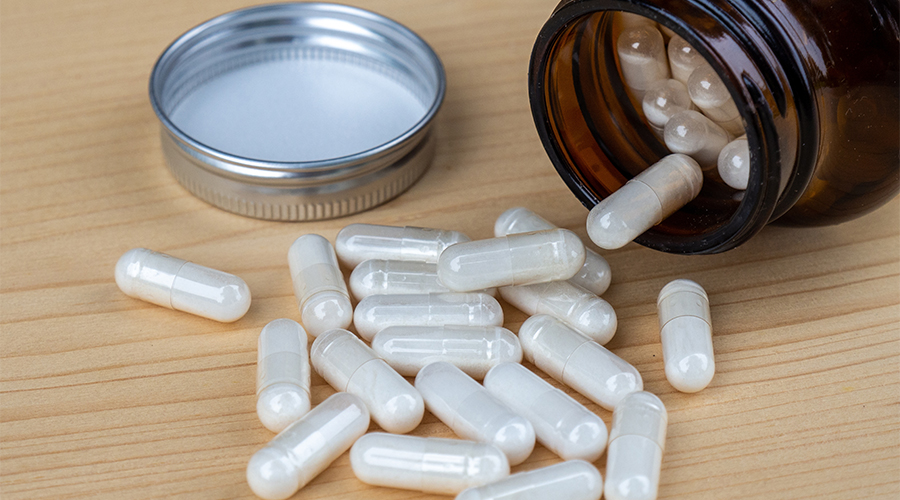
Ashwagandha AF-43

A newer and potent form, Ashwagandha AF-43, is standardised for high bioavailability and purity, focusing on maximising athletic and cognitive performance. Unlike traditional extracts, AF-43 uses advanced extraction to retain both withanolides and alkaloids, the compounds responsible for adaptogenic benefits.

Early research suggests it offers:

  • Faster absorption and better results at lower doses.
  • Enhanced focus, stamina, and muscle recovery.
  • Reduced post-exercise fatigue and improved stress resilience.

This makes AF-43 a great option for athletes looking for an advanced, clinically effective Ashwagandha extract. Koshaveda’s Ashwagandha AF-43 capsules offer you administered dosages of this promising adaptogen.

Read Also: Ashwagandha: Nature’s Chill Pill or a Performance Booster? Take Your Pick

Takeaway

Ashwagandha isn’t just a stress-relief herb—it’s a performance enhancer that can help you train smarter, recover faster, and grow stronger. Whether you’re an athlete or a casual gym enthusiast, adding Ashwagandha, especially standardised forms like AF-43, to your daily regimen can make a tangible difference in your endurance, energy, and results. Just like your Vitamin Supplements and Omega 3 capsules, this herb promises to deliver the best results with consistency

Consistency is key! Give it a few weeks, and your body will thank you.
Understanding the Glycemic Index and Its Impact on Energy Levels

Hello Ziddis! Have you heard of the term glycemic index? GI, aka glycemic index, is the measure of how quickly the carbs in your food can raise blood sugar levels after eating. Foods are ranked on a scale of 0 to 100 to understand this. The higher the number, the faster your blood sugar spikes. Why is this something you must consider? Because blood sugar levels play a significant role in your fitness journey. By monitoring it, you can maintain stable hormones and energy levels.

Glycemic Index Chart

Foods having a low glycemic index can help keep your blood sugar levels from spiking suddenly, while it is the opposite for foods with a high glycemic index.

glycemic index RangeCategoryExamplesReaction on the body
0–55Low glycemic indexLentils, chickpeas, apples, yoghurt, oatsRelease energy slowly, keeping you fuller for longer.
56–69Medium glycemic indexBrown rice, whole wheat bread, sweet potatoesProvide more stable energy.
70+High glycemic indexWhite bread, cornflakes, potatoes, watermelonCause quick energy bursts followed by crashes.

Low glycemic index foods release glucose gradually into the bloodstream. This helps in avoiding energy spikes and dips. High glycemic index foods lead to sugar spikes and crashes, which can leave you tired or hungry sooner. If you want to manage your appetite, reduce cravings and improve your fat metabolism, you must have low glycemic index foods in your diet. This lifestyle is ideal for both athletes and those aiming for steady energy throughout the day.

Glycemic Index Chart

Glycemic Index Rating of Fruits

Glycemic index Rating is the most valid measure of understanding which fruit is right for you. Fruits vary widely in their glycemic impact:

  • Low glycemic index (under 55): Apples, pears, cherries, oranges, plums
  • Medium glycemic index (56–69): Pineapple, mango, papaya
  • High glycemic index (70+): Watermelon, ripe banana

Choosing fruits with a lower glycemic index can help maintain energy balance and prevent overeating, especially when consumed as snacks between meals.

Glycemic Index Food List

  • Low glycemic index Foods: Oats, quinoa, lentils, beans, non-starchy vegetables, apples, yoghurt
  • Medium glycemic index Foods: Sweet corn, brown rice, couscous, whole wheat pasta, pineapple
  • High glycemic index Foods: White rice, mashed potatoes, cornflakes, cakes, sugary drinks

Having a variety of food with different glycemic indices allows you to get the best on the plate. Energy, muscle recovery and satiety are optimised via this method. Combining foods with a high glycemic index with proteins, fats, or fibre can lower their overall impact on blood sugar.

Read More: The Importance of Zinc for Immune Support and Recovery

Takeaway

The glycemic index isn’t just about carbs; it’s about how your body uses energy.

  • For steady energy and weight management, choose more low to medium-glycemic index foods.
  • For post-workout recovery, a high-glycemic index carb may be beneficial to replenish glycogen quickly.
  • Preworkout, BCAA or protein powder combined with a high-glycemic index food can act as an energy booster.

Understanding glycemic index helps you eat smarter, sustain your energy, and control hunger; one meal at a time.

The Importance of Zinc for Immune Support and Recovery

Hello Ziddis! People who take their fitness seriously often talk about their carb cutting, protein intakes, electrolyte-enriched hydration or vitamin supplements, but one of the essential minerals that often goes unnoticed is Zinc! This trace mineral plays a super important role in everything functional, like building muscles, repairing tissues, and even keeping your immune system strong and healthy. Whether you are a regular gym-goer or just aiming to stay healthy, zinc deserves a permanent spot in your nutrition plan. In this blog, we will know why that is so.

Zinc for Immunity

Your immune system is your body’s first line of defence. Zinc acts like the commander-in-chief of that army. Zinc helps in activating and regulating your immune cells, aka T-cells. They are the natural killer cells that identify and destroy harmful pathogens entering your body.

If you do not have balanced levels of zinc in your body, your immune system can become weak and sluggish, leaving you more vulnerable to infections and diseases and slower recovery from illness or an intense workout.

When you indulge in an intense workout, your muscles experience inflammation and oxidative stress. Zinc helps reduce it. Studies show that athletes who maintain the right zinc levels experience fewer colds and heal faster than others. During times of emotional or physical stress, the zinc requirement increases in your body. This is your cue to have your diet support your zinc needs.

Good dietary sources of zinc are:

  • Vegetarian: Pumpkin seeds, Lentils, Chickpeas, Cashews, Tofu and Fortified cereals
  • Non-vegetarian: Chicken, Fish, and Eggs

    If your diet is heavily plant-based, you should note that phytates in grains and legumes can reduce zinc absorption. To avoid this, soak or sprout these foods to help make zinc more available for absorption in your body.

    Signs of Zinc Deficiency

    Even though zinc is required in small amounts, a deficiency of zinc can have big impacts. Since your body does not store zinc, you need to consistently consume it through food or supplements. Some common signs of zinc deficiency are:

    • Easily catching a cold or a fever
    • Slow wound healing
    • Loss of appetite or taste changes
    • Hair thinning or loss
    • Acne or dry skin
    • Low energy and poor concentration
    • Muscle weakness or prolonged soreness after workouts
    • Allergic reaction to many foods, substances and environmental changes

    If these signs feel relatable, it is best to get yourself checked.

    What can cause zinc deficiency?

    • Extreme physical strain or intense training
    • Vegetarianism due to a lack of certain minerals in veg food,
    • People under high stress are particularly at risk.
    • Sweat loss during long workouts can also contribute to zinc depletion.

      How Zinc Helps Recovery

      Every intense workout leaves its mark on you: some gains, some micro-tears. Your muscles need to recover through those processes that happen when the fibres repair and grow stronger. Zinc is essential for this process. It helps in protein synthesis, cell repair and enzyme function that rebuild muscle tissues.

      Zinc also supports the production of testosterone, which helps in muscle strength and growth, mainly in men. Zinc keeps your body’s antioxidant defences strong, fighting off free radicals produced during exercise that can otherwise damage cells and delay recovery.

      Zinc is also involved in collagen synthesis, which benefits joint and tendon health. If you are someone who does a lot of strength or endurance training, zinc will be your best friend. With adequate zinc, you’ll likely notice faster muscle recovery, fewer injuries, and improved overall performance.

      Zinc Supplementation Benefits

      Zinc Supplementation Benefits

      While you should prefer fulfilling your nutrient needs via food, zinc supplementation can also be very beneficial in your fitness journey, especially if your diet and lifestyle do not align with your zinc needs. Some fitness-focused people use zinc monomethionine, zinc gluconate, or zinc citrate—forms that are better absorbed by the body.

      Benefits of supplementing zinc include:

      • Stronger immunity
      • Enhanced recovery
      • Improved hormone balance
      • Better metabolism
      • Better skin and hair
      • Sharper focus and mood

      The right dosage of zinc for most adults is 8 to 11 mg every day. Athletes may require a stronger dosage due to the physical stress they undergo. To keep it under the limit, athletes should take around 30 mg per day. If you overdose on zinc, it can interfere with copper absorption and cause nausea or digestive upset.

      Always choose a trusted, tested product and preferably consult a nutritionist or doctor to determine the right dose.

      Takeaway

      Zinc might be small in quantity, but its impact on your fitness, recovery, and immune strength is enormous. It helps your body repair faster, fight infections better, and maintain the energy you need to perform at your best. Just like Omega 3 capsules, Zinc supplementation is a route you can take if you are not getting enough zinc through your diet. Whether you get it from wholesome foods or a supplement, make sure you’re not overlooking this powerful mineral.

      Morning vs Evening Workouts: Which One Wins?

      Hello Ziddis! The world is divided into two types of people: the early birds who wake up, do their tasks before the sun is up in the sky and end their day when the sun is finally set; the other kind is night owls, who think of night as their playground and are most productive when the moon is visible from the window. Both of these have picked their lifestyle for fitness and hitting the gym as well. The early birds start their day on a treadmill while the night owl hits the gym after work. The time you train makes a difference. While both morning and evening workouts are beneficial, there are some unique benefits that one has and others lack. Not all of us can swing between these two lifestyles. It is wise to let our body decide.

      Exercise Routine: Morning vs Evening Benefits

      Exercising is your gift to your body. The time you exercise matters in many ways.

      Morning Workouts Here’s why some people prefer exercising in the morning:

      • Training in the morning sets a positive tone for the rest of the day to follow.
      • Exercising right after waking up boosts endorphins, sharpens your focus and jump-starts your metabolism.
      • One is more likely to stay consistence with early workouts due to fewer distractions or crowd.

        Benefits of Morning Exercise

        There are so many benefits to morning exercises that the early birds swear by:

        • Better consistency and habit building
        • Improved mood
        • Faster fat burn
        • Empty stomach exercising helps the body convert fat to energy.
        • Better sleep
        • Regulating circadian rhythm

          Evening Workouts

          Evening workouts are pretty great if:

          • You are not a morning person.
          • Your body temperature, strength, and flexibility typically peak later in the day.

            Benefits of Evening Exercise

            Team night owls think evening workouts are the real way to go because of the benefits they get from the evening workouts.

            • Higher strength and stamina
            • Research shows that muscle power and reaction time are greater post-afternoon.
            • Stress relief
            • More flexibility
            • Social motivation and like-minded people around in the gym to help you feel energised.

              Morning vs Evening Exercise Performance

              Morning exercise performanceEvening exercise performance
              Higher cortisol levelsYour body’s core temperature and reaction time peak in the evening
              Enhance alertness and fat metabolismImproved muscle coordination and endurance.
              Testosterone, which is an important hormone for muscle growth, is also higher early in the day, giving strength training a slight edge.You might lift heavier, run faster, or sustain effort longer at night.

              To sum it up,

              • Morning: Ideal for endurance, fat loss, and mental freshness.
              • Evening: Best for strength, muscle building, and peak performance.

              Best Time to Exercise

              Best Time to Exercise

              There is no truly best time to exercise, but by understanding your goals, you can understand what is the best time for your body to exercise.

              • For weight loss: Morning workout gives a metabolic edge
              • For muscle gain: Evening training sessions are better
              • For stress management: Evening sessions can help
              • For consistency: Morning workouts are easier to stick to,

              If you’re chasing performance or strength, evenings might be your prime time. If your goal is discipline, habit formation, and an energy boost to start the day, then morning exercises are your best bet.

              Which Exercise Suits Which Time

              Best for Mornings:

              • Cardio and endurance training: Running, cycling, brisk walking, or HIIT.
              • Yoga and stretching: Helps wake up your body gently and align your mind for the day.
              • Light strength training: Especially when done fasted, to kickstart metabolism.

              Best for Evenings:

              • Heavy lifting or resistance training: Your muscles are warmer and joints more mobile.
              • High-intensity workouts or team sports: Energy levels peak, allowing for better performance.
              • Mobility or flexibility work: Perfect to relieve tightness from the day.

              Read Also: What’s the Best Time to Workout: Morning or evening?

              Final Verdict

              There’s no single “winner” between morning and evening workouts—it’s about personal rhythm and consistency.

              • If you’re driven, love early starts, and want to build a solid routine, train in the morning.
              • If you feel stronger later in the day and can manage your schedule well, evening workouts will bring the best results.
              • The ultimate rule? The best time to exercise is when you can do it regularly and club it with gym supplements like creatine for better results. 

              How Adaptogens Can Help You Manage Stress and Boost Energy

              Hello Ziddis! In today’s fast-paced, time-limited world, we feel an unavoidable urgency for everything that creates so much stress in our minds. Most of our experiences and emotions are stress-induced. The buzz of notifications, the screaming of calls and the consistent need to be available are making us unavailable for our own selves. To face this, you need some help. Nature has an answer for that, too. Adaptogens are natural herbs that can help your body cope with physical and mental stress, boost energy, keep you focused and restore balance in your life.

              Adaptogens have been used for centuries in Ayurvedic medicine for their healing powers. Recently, their importance has been studied and is now used by modern athletes, fitness enthusiasts and busy professionals to benefit from their qualities. They are becoming an important part of fitness routines, so let’s understand how they can help you.

              Adaptogens: Nature’s Stress Balancing Compounds

              Adaptogens are unique botanicals that can help your body adapt to stress and restore balance. Instead of pushing your body, they stimulate a reaction that can make you feel mentally and physically motivated to take action. Adaptogens balance your physiological responses.

              When you are stressed out, your body releases cortisol (a stress hormone) and adrenaline (a hormone responsible for the fight or flight mechanism), which leads to fatigue, anxiety and even burnout. Adaptogens modulate this stress response, allowing you to maintain calm energy and focus on your task better. They support your adrenal glands and regulate your hormones, which leads to improving your resilience to stressors without crashing out like sugar and caffeine can cause. Adaptogens are useful for:

              • For anxiety and emotional stress
              • For mental fatigue and focus
              • For energy and stamina
              • For hormonal balance.

              Whether stress is physical or induced due to emotional turmoil, an adaptogen is going to be your most trusted partner.

              Adaptogenic Herbs: Powerful Plants for Everyday Balance

              Some of the most studied adaptogens include:

              • Ashwagandha – Reduces cortisol, improves sleep, and enhances stamina.
              • Rhodiola Rosea – Increases endurance, combats fatigue, and boosts mental clarity.
              • Panax ginseng – Supports energy levels and immune health.
              • Holy basil (Tulsi) – Promotes relaxation and emotional balance.
              • Cordyceps – A medicinal mushroom that enhances oxygen utilization and endurance.

              Adaptogen Supplements: Convenient and Effective

              Adaptogenic herbs can be consumed in the form of supplements for convenience and to maintain their effectiveness. Here’s why choosing a supplement for your adaptogenic needs is wise:

              • It is standardised according to dosage
              • It is clinically verified
              • It has labels to help you understand what you are putting in your body.

                Consistency is key. Adaptogens work best when taken regularly for several weeks, as their effects build gradually over time.

                Adaptogens for Weight Loss

                Stress is often a key reason for weight gain because it leads to hormone imbalance. Adaptogens help balance your cortisol, which is the stress hormone, and this starts a chain reaction to help you maintain your weight. Adaptogens can also improve your metabolism.

                Here’s how they help:

                • Reduce emotional eating as a coping mechanism
                • Improve sleep
                • Enhance metabolism, making it easier to stay active.
                • Support thyroid function

                When paired with a balanced diet and regular exercise, adaptogens can be a powerful ally for sustainable weight management.

                Adaptogens for Athletes: Natural Performance Enhancers

                Athletes face a unique type of stress, physical strain from training, competition, and recovery and mental strain from expectations, performance pressure and stress. Adaptogens can help improve their performance by improving their endurance, reducing fatigue, and speeding recovery.

                • Rhodiola rosea enhances oxygen utilisation and increases time to exhaustion
                • Cordyceps improves ATP production, which boosts their energy during intense exercise.
                • Ashwagandha increases muscle strength and reduces exercise-induced muscle damage.
                • Ginseng supports faster recovery and improved immune defence after tough workouts.

                How to Use Adaptogens Safely

                There are some recommendations about the dosage of adaptogens. Here’s what you must consider:

                • Start slowly.
                • Choose one adaptogen that fits your primary need
                • Be consistent with it and take it for 2–3 weeks at least
                • Observe how your body responds before adding others.

                  As with any supplement, consult a healthcare professional if you’re on medication, pregnant, or have hormonal or thyroid conditions.

                  Read More: What are Adaptogens? Everything You Need to Know

                  Takeaway

                  Adaptogens bridge the gap between modern science and ancient wisdom. By regulating stress hormones, enhancing focus, and supporting recovery, adaptogens help your body find balance in an unbalanced world. The way you research your BCAA supplements and protein powder, put in efforts to understand which adaptogen can be your best bet in this fitness journey.

                  Nature already knows how to heal you; you need to trust it!

                  How Antioxidants Can Protect Your Body from Oxidative Stress

                  Hello Ziddis, when you start working on yourself and training hard, whether it is lifting weights, jogging, sprinting or doing relaxing yoga, your body goes through more than just the physical strain. Your cells experience a process called as oxidative stress. Eventually, this can cause issues in your fitness journey by slowing down your recovery, affecting your immunity and even lowering your performance. This is where the role of antioxidants helps you. These powerful compounds are your body’s natural line of defence, which act against cellular damage, help in your faster recovery and keep you healthier. Let us understand what oxidative stress does to your body and how antioxidants can help protect your body from it. By the end of this blog, you will be convinced that antioxidant-rich foods are a must-have for your everyday diet.

                  Antioxidants Benefits

                  Antioxidants are protective compounds of your cells to keep them safe from the damage caused by unstable molecules known as free radicals. Key benefits of antioxidants are their actions to neutralise the effect of free radicals. Here’s how antioxidants help:

                  • Faster muscle recovery
                  • Reduced inflammation and soreness after workouts
                  • Stronger immunity
                  • Protecting white blood cells and immune functions
                  • Better endurance
                  • Reduced fatigue caused by oxidative stress in muscles
                  • Anti-ageing effects by slowing cell damage
                  • Keeps your skin, heart and brain health in check
                  • Enhanced overall health
                  • Supports detoxification

                    In short, antioxidants act as your internal shield and help your body perform efficiently even under intense physical and mental stress.

                    Free Radicals and Antioxidants

                    By basic acts of your internal body like breathing, digesting food or exercising, your body produces energy, and a byproduct of this energy process is free radicals.

                    Antioxidants are compounds that protect your cells from damage caused by unstable molecules known as free radicals. When you breathe, digest food or exercise, your body produces energy, and a byproduct of this energy process is free radicals. In small amounts, these free radicals are not necessarily harmful; in fact, they help your body to adapt to such stress. But when their levels rise beyond control, they start attacking cell membranes, proteins and even DNA

                    To understand antioxidants better, it helps if you understand free radicals. These are unstable oxygen molecules missing an electron. To stabilise themselves, they “steal” electrons from healthy cells, leading to a chain reaction of damage called oxidative stress.

                    Where do free radicals come from?

                    They are formed when you undergo or are exposed to:

                    • Intense exercise like HIIT
                    • Environmental pollution
                    • UV radiation
                    • Processed foods
                    • Trans fats
                    • Smoking and alcohol
                    • Psychological stress

                      While exercising is great for health, heavy training can increase oxygen consumption and generate more free radicals, leading to oxidative stress. If you do not balance these with antioxidant-rich foods, your recovery and performance will be hampered.

                      Natural Antioxidants

                      Natural Antioxidants

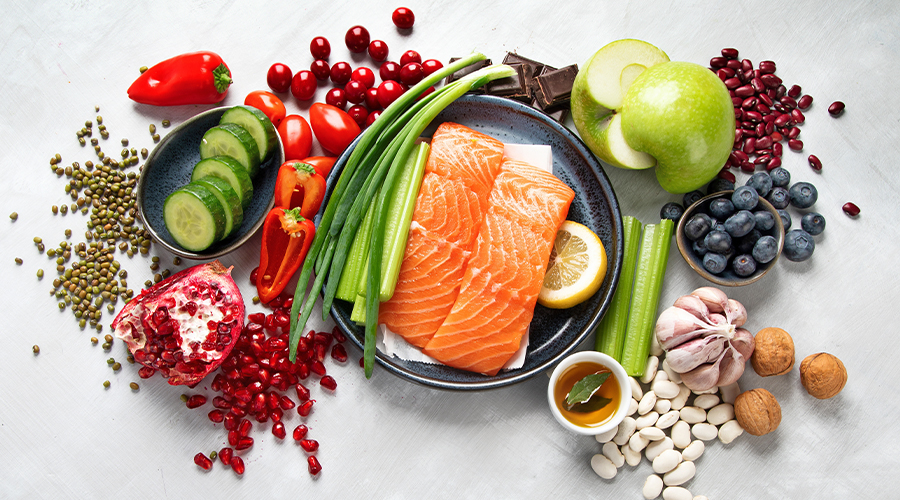
                      While supplements have their place, the best antioxidants come from nature. A plate full of colourful fruits, vegetables, nuts, seeds and herbs is the best way to combat free radicals.

                      Here are some of the top natural antioxidants found in nature:

                      • Berries like blueberries, acai, strawberries and gooseberry (amla) are packed with anthocyanins and vitamin C
                      • Pomegranates are rich in polyphenols and help improve blood flow and reduce inflammation
                      • Citric fruits like oranges and lemons are high in vitamin C to support collagen and immunity.
                      • Spinach, kale and broccoli are loaded with vitamins A, C and E
                      • Tomatoes contain lycopene to support skin and heart health
                      • Beetroot helps in blood flow for better oxygen delivery during workouts.
                      • Almonds, sunflower seeds, flaxseeds and chia seeds are excellent sources of vitamin E and omega-3s to combat inflammation.
                      • Turmeric is a powerful antioxidant and anti-inflammatory
                      • Ginger improves digestion and reduces oxidative stress
                      • Green tea contains catechins that improve metabolism and protect brain cells.

                        The best approach is to eat a rainbow diet. The more colour and variety on your plate, the better your antioxidant intake will be.

                        Antioxidants for Athletes

                        Athletes and fitness enthusiasts push their bodies to higher oxidative limits, and the common people who exercise for leisure. After an intense training, free radical production spikes up to ten times the normal levels. Without proper hydration and antioxidant support, this can reduce their endurance, slow down their recovery and increase muscle fatigue and chances of injuries.

                        Read More: Are You Addicted To Stress? All You Need To Know About Cortisol

                        Takeaway

                        Oxidative stress is a part of a fitness journey, but how we deal with it is what sets us on the right fitness path. So make sure your food has a chunk of antioxidants, and your hydration is fueled by electrolytes. Your body will then feel fortified to fight the oxidative stress and attack of free radicals. So get those antioxidant-rich foods as salads with your meals or shakes into your shakers for your workouts. Your body will thank your colourful plate.