Generic selectors
Exact matches only
Search in title
Search in content
Post Type Selectors

Level up your fitness journey with MuscleBlaze

MUSCLEBLAZE

Are You Overestimating Your Protein Intake? How to Calculate It Accurately

Hello Ziddis! Do you think those two eggs for breakfast and having some peanuts for snacking is enough protein? Do you think your one bowlful of dal and a spoonful of peanut butter can give your body the amount of protein it needs? Nope! It is time to think, calculate, count and act to make sure you are feeding your body enough protein. Here’s how you can do it and save yourself from overestimating your protein intake.

Protein Intake for Muscle Growth

Why is protein even important? In school, you must have learnt that protein is the building block for your body. That is exactly why it is important. Protein is important for your muscles to build, strengthen, and withstand pressure. Without adequate protein, your body will not have the essential building blocks to repair and grow muscle tissue. Muscle building needs more effort than simply hitting the gym. Without enough protein your muscles will turn weak and your body won’t have the building blocks it needs to repair and grow muscle tissue.

For muscle gain, the general recommendation is 1.6 to 2.2 grams of protein per kilogram of body weight. So if you weigh 70 kg, your daily target should be between 112 to 154 grams of protein – spread throughout the day.

The catch? You also need to hit about 25 – 30 grams of protein per meal to stimulate muscle protein synthesis optimally.

Protein Intake Calculation

For muscle gain, the general rule of thumb is to have 1 to 2 grams of protein per kilogram of your body weight. If you weigh 70 kgs, your daily target needs to be 70 grams to 140 grams of protein, depending on your fitness goals. This can be spread out through meals.

What’s the catch, then? You should try to have 25 to 30 grams of protein per meal to manage your muscle protein synthesis and also your insulin levels.

Here is a simple calculation you can rely on:

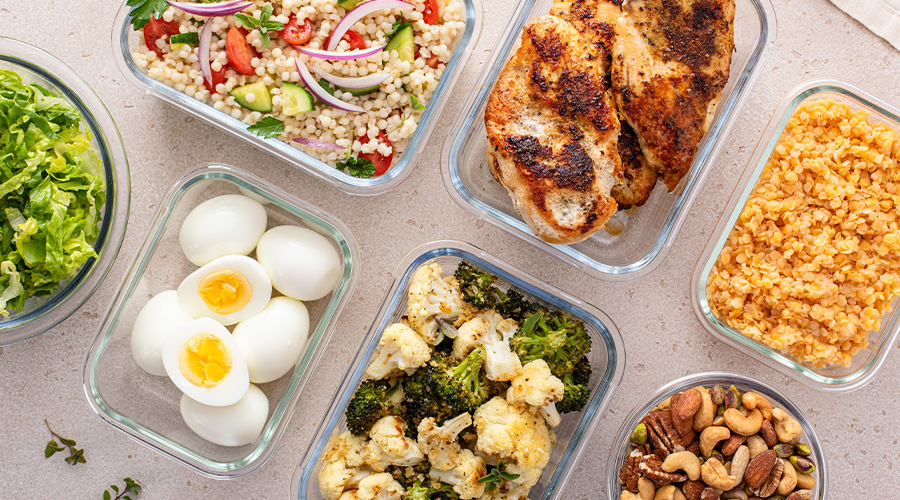
  • 2 boiled eggs can give you around 12 grams of protein
  • One scoop of protein can give you 28 to 30 grams of protein
  • 1 bowl of dal can give you 9 grams of protein
  • 100 grams of paneer can give you 20 grams of protein
  • A handful of nuts can give you 6 grams of protein.

This totals up to 42 grams, which is still below your minimum goal since the average weight of an Indian adult is 60 kgs. This is where people fall short and overestimate their daily protein intake.

To make sure you calculate your protein accurately:

  • Read labels
  • Use apps to track proteins and calories
  • Be aware of portion sizes
  • Remember that the weight of food is not how much protein it has.

Protein Intake for Athletes

Athletes or people going through intense training require 2 to 2.5 grams of protein per kg of their body weight, depending on their sport and goals. Recovery, endurance and performance are all directly linked to protein availability. Timing also matters here because for athletes, consuming protein with some carbs post-session is also beneficial, ideally within 30 minutes of the workout.

Protein Intake for Weight Loss

If you are trying to lose fat but maintain muscle, protein is your best friend. A high-protein diet can increase satiety, support fat loss and prevent muscle loss during calorie restriction. For weight loss, aim for 1 to 2 grams of protein per kg of your body weight. High protein meal curbs cravings, keeps you fuller and makes it easy to stick to your goals.

Protein Intake for Vegetarians

This is where it gets tricky. But it is not impossible. It is a myth that one needs to have non-veg to gain protein, while the truth is that even though many vegetarian sources are incomplete proteins, multiple options can help you. Though being a vegan can cut most of those out for you.

Some good vegetarian protein options:

  • Greek yoghurt (10 grams per 100 grams)
  • Paneer (18 grams per 100 grams)
  • Soy chunks (52 grams per 100 grams dry weight)
  • Tofu (8 grams per 100 grams)
  • Lentils, rajma, chana
  • Protein powders or bars specifically formulated for vegetarians

Tracking becomes even more essential if you’re a vegetarian to make sure you’re not overestimating based on volume alone.
Tips to Increase Your Protein Intake

Tips to Increase Your Protein Intake

Start your day with a protein-rich breakfast like eggs, paneer, protein powder shake, smoothie bowls

  • Clean up your snacking by replacing biscuits with protein bars or roasted chickpeas and peanuts.
  • Use supplements like whey protein, casein and plant protein powders
  • Bulk up on EAA and creatine supplements to get the essential nutrients to power up your muscles.
  • Add protein to every meal, aiming to have at least 20 to 30 grams of protein on your plate.
  • Choose high protein alternatives like quinoa over rice, Greek yoghurt over regular yoghurt
  • Double up on proteins by combining them, like having peanut butter toast with scrambled eggs.

Read Also: Why Tracking Your BMI is Just Not Enough

Takeaway

It is easy to assume you are hitting your protein goals, but these assumptions are often wrong. You highly overestimate the nutrition your food choices give you. The best way is to track your food intake and make sure you know how many calories and proteins you are consuming the right amount. Whether you are an athlete, on a weight loss journey or building muscle, knowing the right amount of protein you consuming is a non-negotiable.

Add protein, snack smarter, and you’re gonna hit your fitness goals.

How Your Sleep Affects Muscle Growth: The Science Behind Recovery

Hello Ziddis! Have you been feeling tired and subsiding yawns all day too? We think sleep is only for rest, but did you know sleeping right can make you stronger, lift heavier and crush your macros better? The real secret to healthy muscle gain lies in something as simple as catching some good quality sleep. Let’s understand how a slumber party is your quickest and most effective fix to muscle-building, fitness and athletic performance.

Science of Sleep

Sleep isn’t just rest. It is a dynamic and restorative process where your body does some of its best behind-the-scenes work. During a typical night, we go through various stages of sleep like light sleep, deep sleep and REM sleep. Deep sleep is the best stage for recovery. This is when your body enters an anabolic state, which helps it repair tissues, make up for the wear and tear of muscles, strengthen the immune system and secrete the growth hormone, which is responsible for delivering your pumps.

Muscle Recovery Sleep

Sleep is hands down the best activity you can do post-workout after a hearty meal. The growth hormones that our body secretes during a deep sleep can help in:

  • Stimulating tissue growth and repair
  • Boost muscle protein synthesis
  • Mobilise fat storage for energy production
  • Reduce muscle breakdown.

If you have poor sleeping habits, make sure you fix that if you want a healthier recovery.

Sleep and Workout Performance

Sleep and Workout Performance

Have you ever tried pushing yourself at the gym after pulling an all-nighter? Not the best idea, is it? That is because lack of sleep can tank your reaction time, reduce endurance and mess with your focus and motivation. Poor sleep increases the chances of fatigue and injuries during your workout sessions, making the sessions feel harder than they are. Sleep-deprived athletes also have a higher risk of injury due to slower cognitive processing and coordination.

This is about what happens if you don’t sleep. How about if you are well-rested?

In that case, you will be able to push your limits, hit more reps, improve your endurance and get those pumps too. So sleep and workout performance have a close-knit relationship that directly impacts your fitness goals.

Sleep and Muscle Growth

When you sleep well, your muscle cells are better primed for protein synthesis. Protein synthesis is important for building and repairing muscle tissue. Studies show that even partial sleep deprivation can cause a lack of focus, which hampers your responses and decreases your body’s ability to adapt to resistance training. Sleep also regulates cortisol levels, which means your stress levels are in check. This will prevent your muscles from breaking down or storing fat that causes it to sabotage your gains.

Best Sleep Duration for Muscle Growth

How well you sleep is important, but so is how much you sleep. Aiming for a good quality 7 to 9 hours of sleep every night consistently is a great way to make sure you are prepared and well-rested to chase your fitness goals. Focus on deep and REM sleep to gain the most benefits.

Read Also: Sleeping can Build Your Muscles. Here’s Everything You Need to Know

How to Have the Most Productive Sleep

Your sleep needs to be your top priority if you are trying to improve your performance. Rest is necessary for muscle repair, but that does not just mean lying down on your couch. Here are some science-backed tips for a productive sleep:

  • Have a set sleep schedule. Go to sleep and wake up at the same time every day.
  • Avoid screens before bed because blue light can hamper the release of melatonin.
  • Cool your room and make it dark.
  • Get morning sunlight to give the right hint to your circadian rhythm.
  • Limit caffeine in the evening
  • Consider magnesium or ashwagandha supplements to calm your nervous system for a good, deep sleep.
  • Include recovery support foods, which are also protein-rich, like protein powder or peanut butter.

Takeaway

Your muscles don’t just grow in the gym, they grow when you rest your body. Prioritise quality sleep if you want to unlock the secret to strength training, building endurance and healthy gains. It is free, natural and works like magic. Pair it up with the right food and voila! So make sure you are well-slept before you lift those weights because hustle is great, but sleep is the real secret.

Top 4 Facts to Consider Before You Buy a Mass Gainer

Mass gainers or weight gainers, as the name suggests will help you gain mass or weight. The standard principle for gaining weight is to eat more calories than you will burn. However, as a bodybuilder, what do you want to gain? Weight in the shape of pot belly or muscle mass? Obviously, it will be muscle mass, and here, a mass gainer is going to help!

Learn more about

  • What is a mass gainer?
  • What does mass gainer do to your body?
  • What is your lean body mass?
  • What is the role of mass gainers?
  • How to choose mass gainers?

What is a Mass Gainer?

A mass gainer is not a pure protein. It contains carbs also. They are also known by the name weight gainers! Usually, they are taken as synonyms, but there exists a difference in their composition, specifically in their protein versus carbs ratio. Mass gainer serves a mix of proteins and carbs, along with high-quality fats and multivitamins (optional). The ratio of proteins and carbs in mass gainers can range between, 1:3 to 1:5. This ratio also indicates whether the supplement is a mass gainer or a weight gainer.

Tip: As a general rule, mass gainers have 1:3 protein and carbs ratio and in weight gainers, this ratio goes up to 1:5. 

What Does Mass Gainer Do to Your Body

Jim Stoppani, the most respected man in muscle kinesiology, and author Encyclopaedia of Muscle & Strength (Human Kinetics, 2006), explains: 

  • A mass gainer is for those, who cannot eat enough calories, protein, carbs and fat to build adequate muscle. This is typically teenage males and guys in their early 20s.
  • Also, those who are truly hard gainers and no matter how much they eat cannot gain any weight

Mass gainers give you extra calories along with measured macros, such as proteins, carbs, high-quality fats in an easy to mix shake. It is these nutrients that cause a difference in your strength, size and stamina.

How? When you want to increase the size of your chest, back, biceps, you need to go in a calorie surplus situation, which means, you should be eating more calories than you can spend in a day. What should be that calorie number so that you put on lean muscle mass and keep the fat at a bare minimum? 

What Is Your Lean Body Mass

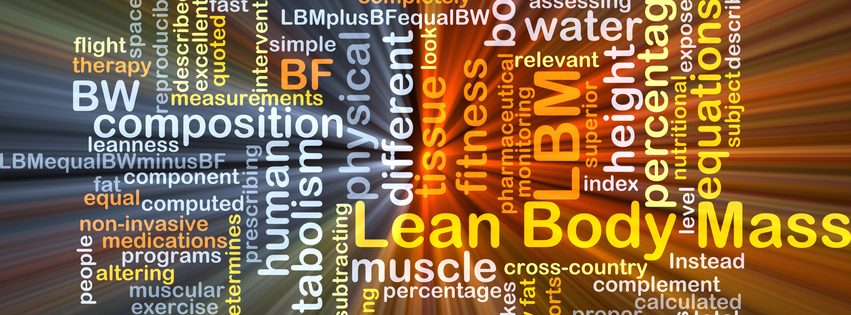
Lean body mass is composed of muscle and bone tissue as well as organs beneath the body. It is composed of everything, except the fat beneath the surface of your skin. In order to find out your lean body mass, follow these steps:

  • Convert your weight in kg to pounds (1kg = 2.2 pounds)
  • Measure your weight in an intelligent weighing machine that will tell your body fat percentage as well.
  • Subtract your body fat percentage from 100, to arrive at your lean muscle mass percentage,  (If your body fat percentage is 20, your lean muscle mass percentage will be 80)
  • Divide your lean muscle mass percentage with 100 to arrive at the decimal of it, such as 80 divided by 100 will be 0.80
  • Pull out the calculator and multiply 0.80 with your body weight in pounds. For a 60kg male, the number will be 105.6
  • Multiply the lean muscle mass weight in pounds with 20 and you will get the calorie number.

    Weight in KgWeight in PoundsLean Muscle Mass in Pounds (@ 20% Body Fat)Calorie Allowance
    60132105.62112
    65143114.42288
    70154123.22464
    751651322640
    80176140.82816
    85187149.62992

    Now, if you want to increase your calorie intake, you need to know your lean muscle mass and figure out your calorie allowance. Stick to it in order to build lean muscle mass!

    Role Of Mass Gainers

    People who need to put on weight find it hardest to do so. The reasons could be a busy lifestyle, fluctuating hunger level, high metabolism. Thus it becomes harder for them to fulfil their calorie needs. Here, mass gainers help, if you choose the right mass gainer.

    How To Choose The Right Mass Gainers

    How To Choose The Right Mass Gainers

    Your objective is to choose a supplement that will fuel your muscle gain and not fat gain. Therefore, junk foods, such as doughnuts, burgers, pizza are a complete no for someone who is trying to build muscles. The calories should come from high-quality nutrients, such as proteins, complex carbs, good fats, vitamins, and minerals.

    1. The Ratio of Protein and Carbs

    Proteins or amino acids are important for building muscles and complex carbs provide a steady source of energy, which will give you the energy to work out more intensely. The ratio of proteins to carbs should vary between 1:3 to 1:5.

    Proteins in your mass gainer should come from a blend of proteins, such as casein, whey, and milk protein.

    2. How Much Sugar is Present in the Mass Gainer

    Your tub of whey gainer or mass gainer should not contain an overdose of sugar. The sugar content more than 6g in a 100g serving indicates that your mass gainer is an expensive sugar formulation. You should pay for premium nutrients and not sugar. Therefore, read the label carefully, before you make a purchase.

    3. Does it Have Digestive Enzymes?

    Digestive enzymes reduce the common side effects of a mass gainer, such as unpleasant sensations, like bloating and ensure that all that protein and complex carbs are getting digested and absorbed in the body. Generally, the trouble with increasing the calorie intake is that it becomes difficult to digest that extra food and the person resorts back to his earlier dietary habit.

    4. Does it have Multivitamins?

    For those who do not know multivitamins are required to build energy and immunity. B vitamins particularly have a critical role in converting the foods into energy and if you are a gym regular, you know how important is energy to push those extra reps?

    4. Does it have Creatine?

    The best mass gainer will also have creatine in it, like Mass Gainer XXL as creatine builds energy for those phenomenal lifting sessions. And, anyone who is seeking to build muscle mass knows that it is hard to build muscle mass without working out intensely. You got to challenge your limits and creatine gives you the energy to do so.

    How to Use Your Mass Gainer for Best Results

    For the best results, you should use the mass gainer as directed on the label. Since mass gainers contain lots of carbs and a good amount of protein, you can have it after a workout, at bedtime, before meals or after waking up. Follow the manufacturer’s direction and do not use it more than directed. Also, be sure to eat healthy foods along with your mass gainer. A supplement is in addition to healthy meals and workout regularly. Soon, you will build an admirable physique.