

Hello Ziddi! Cutting phases are designed to lose body fat, not muscle. Yet many individuals experience strength loss, reduced muscle density, and a flatter physique after reducing their calorie consumption. This creates a fear among individuals: “Am I losing muscle?” The reality is that what is actually happening is normally a combination of the loss of glycogen, water loss, and nervous system fatigue rather than the loss of muscle tissue. Knowing this distinction will help you train smarter and defend your physique.
How to Retain Muscle While Cutting
The largest tissue of the human body is muscle. Your body will not start to break down its muscle tissue until it receives strong survival signals, meaning extreme calorie restriction, no stimulus, or poor recovery. To maintain muscles, the body needs two things, which always need to be present:
1. Mechanical Tension (training stimulus)
Resistance training tells your body that this muscle is needed.
2. Amino Acid Availability (protein)
Protein tells your body that they have resources to maintain tissue. If both signals are present, the body prefers burning fat stores instead of muscle tissue.
Cutting Without Losing Muscle
People often confuse fat loss with muscle loss, but there’s a third factor:
- Fat loss: Actual reduction of fat tissue. This is the goal.
- Muscle loss: Loss of muscle fibres and contractile proteins. This is what you want to avoid.
- Glycogen loss (the “flat look”): When calories drop, a chain reaction starts,
Carbs drop → Muscle glycogen drops → Muscles lose fullness and water → You look flat and smaller even if muscle tissue is still there.
Summing up what can make the cut without muscle loss:
- Flat muscles don’t mean muscle loss
- Strength dip does not mean muscle wasting
- Smaller pumps don’t imply muscle breakdown
The earliest sign of muscle loss during cutting is the loss of glycogen and reduction in water weight, not muscle
Preserve Muscle While Dieting
Dieting can mean reducing calories, which can significantly impact your muscle mass. Here is how you can preserve your muscle mass while dieting:
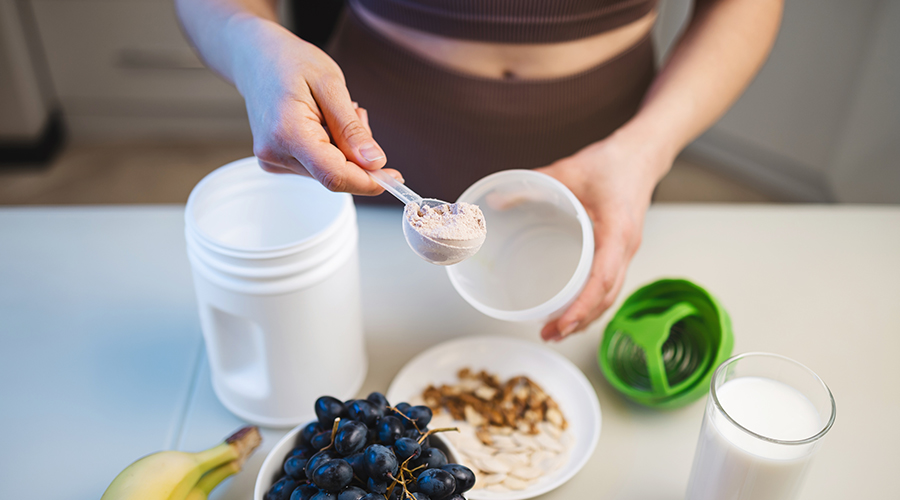
High protein intake: Protein is anti-catabolic. It reduces muscle breakdown and supports repair.
Target to include 1.6–2.2 g protein per kg bodyweight per day
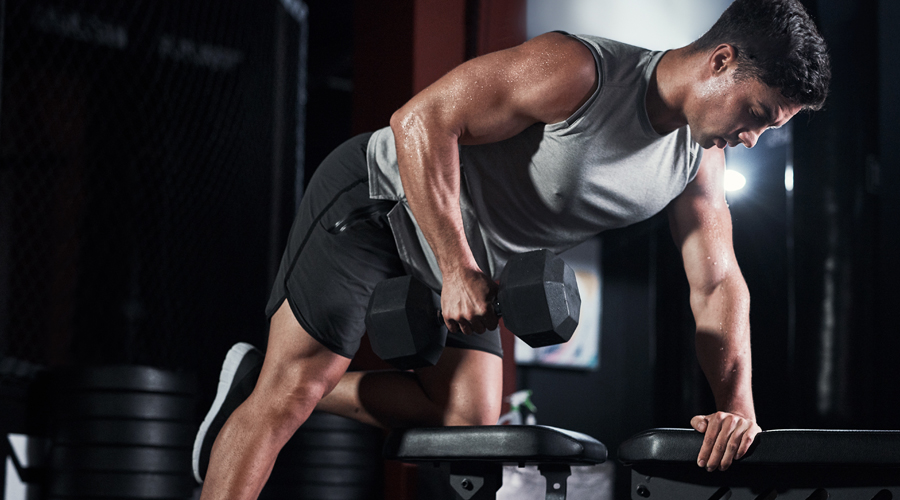
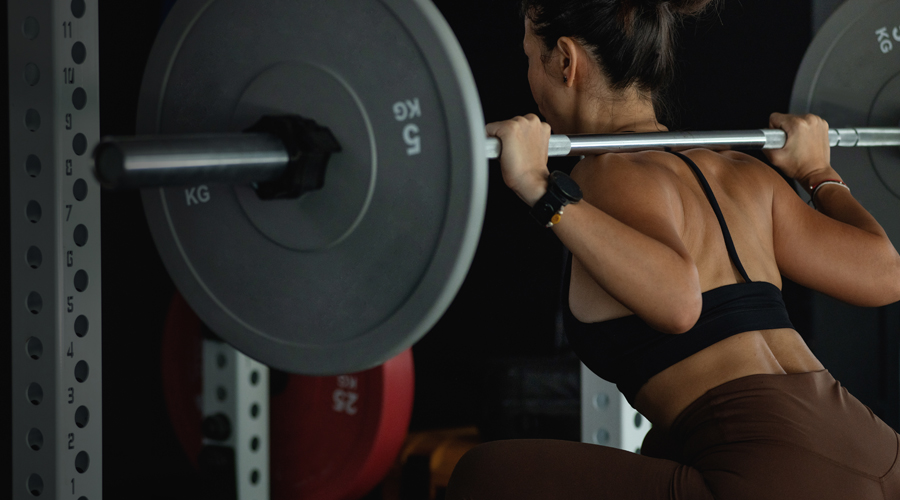
Resistance training: Muscle is maintained by tension, not cardio. If you stop lifting:
- The body removes unused tissue
- Muscle loss accelerates
- Training tells your body that using muscle for nourishment is necessary for survival.
Moderate calorie deficit: Aggressive deficits increase muscle loss risk. Too big a deficit = body enters conservation mode:
- Muscle breakdown increases
- Training recovery drops
- Hormones shift
- Metabolism adapts
- The best range to consider for a diet is 15–25% calorie deficit (not crash dieting)
Recovery: We have a simple formula: Poor sleep = higher cortisol = higher risk of muscle breakdown. Recovery hormones regulate muscle retention
Strength Loss During Cut
Strength loss doesn’t always mean muscle loss.
It can come from:
- Lower Glycogen (Less Fuel)
- Reduced Leverage Due To Fat Loss
- Lower Bodyweight
- Fatigue Accumulation
- Nervous System Stress
- Dehydration
True muscle loss shows up as:
- Consistent Strength Decline
- Shrinking Measurements
- Visual Muscle Thinning
- Loss Of Training Volume Capacity Over Weeks
Common Cutting Mistakes
Some cutting mistakes can lead to more muscle loss than intended or unhealthy patterns. Beware of these tell-tale signs:
- Too aggressive calorie deficit
- Removing strength training
- Low protein intake
- Only doing cardio
- Poor sleep
- High stress
- Overtraining while under-eating
- No recovery planning
- Fear-based undereating
These signal the body to burn tissue, not just fat.

Simple Cutting Checklist
Here is a simple checklist for you to refer to so that you lose the fat while you keep the muscle.
- Protein daily
- Strength training 3–5x/week
- Moderate calorie deficit
- Progressive overload focus
- Adequate sleep
- Manage stress
- Don’t eliminate carbs completely
- Track strength trends, not daily fluctuations
- Prioritise recovery
- Patience over speed
Read Also: Magnesium: The Unsung Hero of Sleep and Muscle Recovery
Takeaway
Cutting is not about shrinking your body; it’s about changing what your body is made of. Fat loss is good, and muscle loss is unavoidable during cutting, but it need not be long-term or too much. If you keep lifting heavy weights, include protein in your food, avoid going extremely calorie-deficient and recover better, your body will prefer to burn fat, not just muscle. So let’s make sure your fitness accessories are still put to use while you sleep, fat burner supplements in your favourite shakers. Let’s stay on track to fitness.



 100% Safe & Secure payments:


