Generic selectors
Exact matches only
Search in title
Search in content
Post Type Selectors

Level up your fitness journey with MuscleBlaze

MUSCLEBLAZE

Does Creatine Cause Hair Loss? Science vs Panic

Hello Ziddis! Creatine is one of the most studied sports supplements in modern sports nutrition. It is commonly used for strength, power, performance, and recovery, and its safety record is backed by decades of scientific research. However, one fear has persisted on the internet: “Creatine causes hair loss.” This myth has prevented thousands of individuals from taking a supplement that is otherwise deemed safe, effective, and well-researched. Social media, bodybuilding forums, and fear-mongering content have spread this myth – despite the absence of any concrete scientific evidence. To get to the bottom of this myth, we must distinguish between facts and assumptions, and correlation and causation.

Creatine Cause Hair Loss

The fear began with a smallscale study on rugby players. In this study, participants took creatine supplements, and researchers found a rise in DHT (dihydrotestosterone) levels.

  • There was no measurement of hair loss.
  • There was no scalp examination.
  • There was no assessment of follicle damage.
  • There was no data collection on shedding.
  • There was only a measurement of hormone levels.

Since DHT is linked to male pattern baldness, the implication here is that:

This assumption spread rapidly, even though the study never measured hair outcomes at all. The fear narrative was born from a theoretical hormone connection, not from clinical evidence of hair loss.

Understanding the DHT connection

DHT is produced when testosterone is converted through the enzyme 5-alpha reductase. It is involved in androgenic alopecia (pattern hair loss), but only under certain biological circumstances.

Hair loss is not a consequence of the presence of DHT.

It happens when:

  • The hair follicles are genetically sensitive to DHT
  • The androgen receptors in the scalp are highly sensitive to DHT
  • Chronic follicle miniaturization occurs

    This is genetic programming, not short-term hormonal change.

    Two different individuals can have the same levels of DHT and have entirely different outcomes regarding hair because follicle sensitivity is genetically determined, not universal.

    Therefore, even if creatine has a slight effect on DHT levels, but that does not mean that:

    • The follicles will shrink
    • Hair shedding will begin
    • Hair thinning will occur
    • Baldness will develop

      Hormonal changes do not cause hair loss. Genetic susceptibility does.

      Creatine Hair Thinning

      What does research really say about creatine’s relationship with hair thinning? Let us understand that:

      What research supportsWhat research does not determine
      Creatine improves muscular performanceNo clinical trials have proven that creatine causes hair loss
      Creatine increases phosphocreatine storageNo studies linking creatine to follicle damage
      Creatine enhances ATP regenerationNo evidence of scalp-level biological harm
      Creatine supports strength and recoveryNo data on hair density reduction
      Creatine is safe for long-term use in healthy individualsNo controlled studies showing increased shedding

      No research can establish a scientific relation between the usage of creatine supplements and hair thinning.

      Creatine Monohydrate Side Effects

      We can not discount creatine monohydrate for any side effects. It has side effects like:

      • Water retention inside muscle tissue
      • Mild digestive discomfort if overdosed
      • Dehydration if fluid intake is inadequate
      • Cramping, which is rare but mostly hydration-related

        But the following effects are just a myth and can not be correlated to creatine monohydrate:

        • Hair loss
        • Hormonal damage
        • Testosterone suppression
        • Kidney damage
        • Liver toxicity
        • Endocrine disruption

          But if you end up observing these signs, you must check for it with a physician.
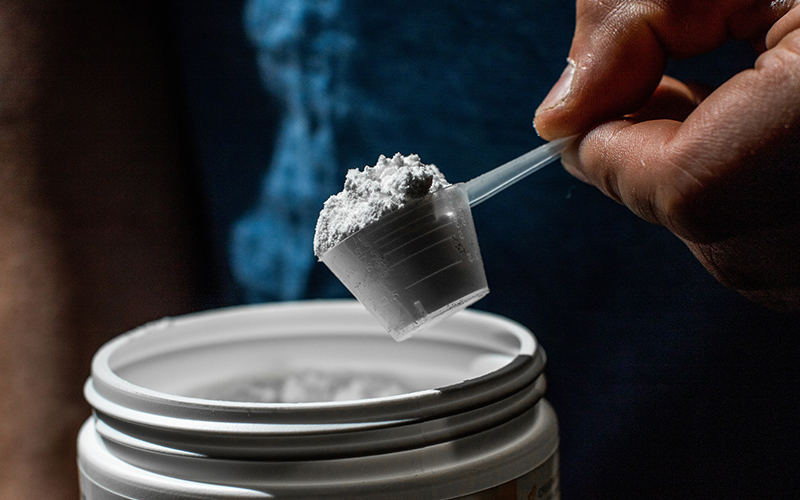
          Safe Creatine Usage Guidance

          Safe Creatine Usage Guidance

          While every dosage of supplements must be started after consulting with a physician, here are some suggestions for optimum usage:

          • 3 to 5 grams of creatine monohydrate daily
          • No loading phase is required
          • Maintain proper hydration
          • Use consistently
          • Choose pure, tested creatine monohydrate
          • Avoid excessive dosing protocols

            Read Also: Creatine Loading vs No-Load: Which Protocol Works Better?

            Conclusion

            Creatine does not have any proven evidence of being a cause for hair loss. It does not damage follicles, create baldness or override genetics. This fear is because of rumours around the same time. Panic is not science. If hair loss is in your genetics, creatine isn’t the trigger. If it isn’t in your genetics, creatine isn’t the risk. You want to upgrade your fitness, you can try out omega 3 capsules and vitamin supplements.
            Can You Take Whey Without Working Out?

            For so many years, whey protein has been promoted as something that only gym-goers, bodybuilders, athletes, and people who lift heavy weights consume. The gym shaker bottles, ripped muscles, and gym influencers have all contributed to the notion that whey protein is a “gym supplement” and not a regular food item. The reality, however, is much simpler. Whey protein is not a muscle-building supplement and not a steroid. It is not a supplement for gym-goers only. It is simply a convenient source of protein, just like what you get from eggs, dal, paneer, tofu, fish, and chicken. So, yes, you can consume whey protein even if you are not working out. It won’t help you build muscle mass without working out, but it can definitely help with your nutrition and health in many ways.

            Whey Protein Benefits

            Protein is not just for muscle growth. Your body requires protein daily for:

            • Tissue repair and cell regeneration
            • Hormone production
            • Enzyme activity
            • A strong immune system
            • Healthy skin, hair, and nails
            • Organ function
            • Metabolism

            Whey merely makes protein easy to take in. This works best, particularly for those who have trouble getting enough protein from food.

            Even if you’re not exercising, whey can:

            • Assist with your daily protein requirements
            • Help maintain muscle mass
            • Increase feelings of fullness
            • Cut down on unnecessary snacking
            • Regulate blood sugar levels
            • Assist with recovery from daily fatigue, illness, and stress

            If your diet is low in protein (which is highly likely), whey becomes a convenient nutritional supplement, and not a sports supplement.

            Whey Protein Uses

            Whey is useful even if you do not exercise in the following situations:

            • You have a low-protein diet: Most diets are high in carbs and low in protein. Whey fills this protein deficit.
            • You lead a busy lifestyle: Missed meals, irregular meals, poor breakfasts – whey is a good backup plan for nutrition.
            • You are trying to manage your weight: Protein suppresses hunger and cravings, making weight management easier.
            • You need to maintain muscle mass: After the age of 25-30, muscle mass starts to decline slowly, even without exercise, if protein intake is low.
            • You are recovering from fatigue or illness: Protein aids in tissue repair and immune system recovery.

              It does not increase muscle mass without weight training, but, whey protein does help with health, metabolism, nutrition, and body maintenance.

              Whey Protein Side Effects

              It is considered safe, but some individuals may have problems with low-quality whey.

              Side EffectsCausesTips for Preventing Side Effects
              BloatingLactose intoleranceUse whey isolate if lactose-intolerant
              GasArtificial sweetenersBegin with ½ scoop
              AcidityPoor-quality proteinAvoid heavily flavoured whey
              Digestive discomfortOveruseDrink sufficient water
              Skin breakouts (in some individuals)DehydrationDo not rely on shakes for all meals

              Benefits of Whey Protein for Females

              Benefits of Whey Protein for Females

              Whey is not “masculine”, and it doesn’t make women bulky.

              In fact, it supports:

              • Hair and skin health
              • Appetite control
              • Hormonal balance (protein is a hormone-building material)
              • Muscle tone maintenance
              • Fat-loss support through satiety
              • Nutritional stability
              • Bone and tissue strength
              • Whey enhances body composition, not bulk.

              Here’s how one can simply use it for their daily routine.

              If you’re not working out, use whey like food, not like a gym supplement:

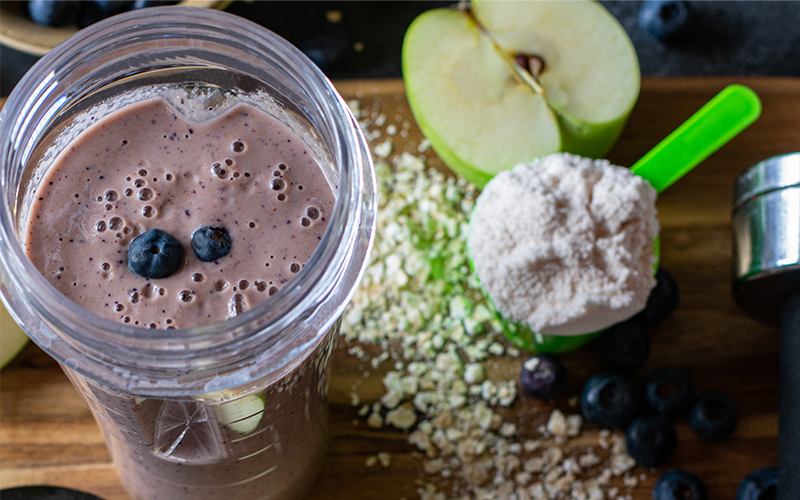
              • Add to breakfast smoothies
              • Mix into oats
              • Blend with fruit
              • Use as a mid-meal snack
              • Take between meals
              • Post-walk or post-yoga recovery drink

              Recommended amount: ½ to 1 scoop daily is enough for non-training individuals.

              How to Choose the Right Quality Whey

              Look ForAvoid These
              20–25g protein per scoop“Miracle absorption” claims
              Transparent ingredient label“Muscle without exercise” marketing
              No amino spikingInflated protein numbers
              No proprietary blendsHidden fillers
              Minimal additivesOver-flavoured products
              Easy digestion
              Third-party testing
              Whey isolate if lactose sensitive

              Read Also: Everything You Need to Know about Whey Protein

              Takeaway

              Whey is not a gym supplement; it is a nutritional tool. You do not have to go to the gym to use whey, but you have to understand what whey really does. Whey will not help you build muscle without going to the gym, whey will not change your body without exercise, and whey will not substitute for food. What whey will do is that it will help you fulfil your daily protein requirements, enhance the quality of your nutrition, and help you in weight management. While creatine is a gym supplement that works best when accompanied by workouts, many other supplements are meant to help you in a more subtle manner.

              If You Only Use Whey, You are Missing Half the Science: The Two Protein Theory

              The majority of the lifters believe that protein is basic. You train, you take whey, you achieve your goal, recovery will look after itself. On paper, that sounds correct. As a matter of fact, this is the reason why so many people train everyday and yet they believe that their recovery has hit a plateau.

              The fact is that the whey is just a component of a recovery system that has more than one stage. Muscle is not built up in a single go in your body. It is actually a stage-based recovery and each stage requires a different protein.

              This is where the Two Protein Stack Rule comes in.

              The Greatest Mistakes that Lifters Continue to Make

              The most prevalent protein approach is the most incomplete one as well. The majority of people treat protein as having a single speed and purpose. Their sole protein source of supplement is whey and they tend to believe that once they get to their total grams, then everything will fall in place. This is why the gains are mid.

              All protein does not work at equal speed. Also, healing of muscles does not begin and stop within an hour. It lasts hours following the training and it lasts deep into the night.

              The Recovery can be Discussed in Terms of Two Major Phases.

              The initial stage occurs immediately after training where your body is in need of amino acids. The second stage occurs later and your body requires amino acids although in a longer period of time.

              When you only feed one of the phases, your recovery will be under-supported.

              Rapid Post Training Recovery

              Phase 1: Rapid Post Training Recovery

              Immediately after exercising, your muscles require protein. Training involves stress, micro-damage and depletion. The best response of your body during this phase is the availability of amino acids faster, as the signal of repair is strongest at this early period.

              This is the reason why fast-digesting protein is important. It does not happen that later digestion comes to a halt. The reason behind this is that your body will be able to start repairing at the rate of availability of amino acids.

              This is the stage in which your body is in need of protein urgently. This is where whey comes in.  It increases the amino acids in the bloodstream rapidly, and it goes at its peak within about 60 to 90 minutes of intake.

              It helps in the initial recovery period when your muscles are in need of amino acids urgently. It is a very strong recovery signal and assists in jump starting recovery.

              Phase 2: Slow Recovery When You Sleep

              The second stage is what most of the people ignore.

              Your muscle repair does not stop after taking your whey protein. It continues for hours. This is important particularly during the night when most of the work of repairing and restoring the tissues is done by the body.

              It is during this period where your body requires a slow breakdown of amino acids and thus Casein comes into the picture. It breaks down in a slow manner and releases amino acids gradually over time of a number of hours. Casein best comes into play when you require sustained sources of protein particularly at night when you are not in a position to eat for long periods of time.

              Casein ensures that the amino acids are present when your body carries on repairing the muscle tissue when you are asleep.

              Slow Recovery When You Sleep

              The Two Protein Stack Rule

              The two protein stack rule is complicated and it does not mean that it should be timed absolutely. Whey is effective post training on training days. Casein is best used at night prior to bedtime.This is the most convenient method of ensuring that both the stages of recovery are treated with appropriate rate of digestion. It is an efficient method of aligning your diet with the functioning of your body. Training becomes more fruitful when it is supported in the early phase. Recovery is more stable when the long phase is facilitated.

              Once both phases are taken care of, then the process becomes easier.

              To recover better you do not need to train more. You have to recover smarter.

              Read Also: How to Read a Protein Label in 30 Seconds

              Why Consistency Beats “Perfect” Supplement Timing

              Everyone obsesses over pre-workout vs post-workout timing as if it’s the key to unlocking progress. The truth is, timing is only a minor optimisation; consistency is the key to unlocking performance gains. Gym supplements don’t have immediate effects like drugs. Daily use creates biological adaptation. Occasional “perfect timing” is not enough. Let us understand how consistently using supplements that complement your training

              How Most Supplements Actually Work

              Supplements have specific ways of working. Most supplements actually work if one is consistent and pairs them with the right routine and lifestyle. 

              SupplementHow it works
              ProteinDoesn’t work from one shakeWorks from the daily amino acid availabilityMuscle growth depends on repeated protein synthesis cycles, not one post-workout window
              CreatineActs through muscle saturationRequires days/weeks to accumulate in muscle tissueTiming is irrelevant; daily dosing is required
              Omega-3Accumulates in cell membranesReduces inflammation, enhances recovery over timeRequires consistent dosing for accumulation
              MagnesiumAffects the nervous system, sleep, and muscle relaxationActs through systemic balance, not acute dosing

              Supplement Regimen Sustainability

              A regimen that you follow imperfectly every day is preferable to a perfect regimen that you follow for 10 days and then stop. Sustainable regimens have the following characteristics:

              • They have low friction
              • They are easy to remember
              • They are associated with daily habits
              • They do not need to be in sync with your workout routine
              • Biology prefers repetition to precision.

                Habit Stacking for Vitamins

                Attaching habits to supplements can make it easy for you to remember taking them. For example: 

                • Protein powder- breakfast or bedtime routine
                • Creatine- with first meal
                • Omega-3- with lunch/dinner
                • Magnesium- nighttime routine

                  Overcoming Supplement Compliance Issues

                  The issue is not in seeing the results of supplements, but:

                  • There are too many supplements to take
                  • You attach too many rules to taking them
                  • You are looking for precision and perfection instead of performance
                  • All-or-nothing mentality leads to discrepancy in the routine, even if something slightly messes up
                  • You have an unpredictable schedule

                    But you can solve these by simplifying your life:

                    • Reduce the number of supplements you take
                    • Anchor the supplements with a fixed time or daily activities
                    • Keep them in plain sight
                    • Simplify the intake

                    Sustainable Health Habits

                    Progress is not just achieved through perfection but also by being adaptable. Here are some dos and don’ts that help you stay track on sustainable health habits:

                    Do’sDon’t’s
                    Daily protein consumptionDaily hydrationDaily micronutrient supplementationDaily recovery practicesDaily physical activityDaily circadian entrainmentOptimised timing windowsComplex supplement stacksInfluencer regimensBiohacking trends

                    Read Also: Supplements: Why “Stacking” Beats Random Buying

                    Takeaway

                    Consistency builds systems. Timing is simply the optimisation of these systems. If a supplement requires perfect timing to “work,” then it’s probably not doing much to begin with. Your body learns from repetition, not optimisation. Everyone is obsessed with pre-workout vs post-workout timing as if it’s the key to unlocking progress. The truth is that timing is simply a minor optimisation. Consistency is the key to unlocking progress.

                    How to Read a Protein Label in 30 Seconds

                    Take a look at any supplement shop or browse any fitness site, and you’ll see the same claims being made everywhere: premium quality, advanced absorption, muscle matrix blends, and clinically designed formulas. Every protein supplement is the best. Every brand is superior. And most people wind up picking one over the others based on design, social media, or sales rather than what’s in the bottle.

                    But protein supplement labels aren’t deceiving you; you simply don’t know how to read them.

                    With a little knowledge, you can evaluate a protein supplement in less than 30 seconds. No advanced nutrition knowledge. No chemistry expertise. Just label literacy.

                    How to Read Protein Supplement Labels

                    The label on the front of a protein supplement bottle is for marketing, not education. Terms such as premium, ultra pure, high absorption, and advanced formula are not standardised terms. They have no meaning, no nutritional significance, and no legal standing. They are simply designed to sway purchasing decisions.

                    Analyse Protein Nutrition Facts

                    The first thing to examine is not the brand name or the flavour, it’s the correlation between scoop size and protein content.

                    Some brands tend to overstate the scoop size to make the protein content sound better. A supplement may contain 25 grams of protein per serving, but the serving size may be 45 or 50 grams. This means that nearly half the scoop is not protein.

                    Good protein powders will have a scoop size of 30-35 grams with 22-27 grams of protein. The ratio is more important than the actual number on the label. Protein density is a quick indicator of quality.

                    The next thing to examine is the ingredient list. The ingredients are listed in order of weight, not priority. If sugar sources, creamers, maltodextrin, vegetable oils, or flavouring bases are listed before the protein source, then you are not buying a protein supplement; you are buying a flavoured supplement with protein mixed into it.

                    Protein powder label guide

                    Protein Marketing Tricks

                    One of the most popular protein marketing gimmicks is amino spiking. This occurs when manufacturers spike the protein with cheap free-form amino acids such as glycine, taurine, arginine, or alanine. This increases the nitrogen content of the protein. The lab analysis will read this as “protein,” even though this amino acid doesn’t act like a complete protein in muscle growth.

                    The packaging may reflect high protein content, but the protein quality is enhanced by amino spiking rather than using real complete protein sources.

                    Another common protein marketing gimmick is proprietary blends. When a protein label indicates a “protein blend” or “muscle matrix” without specifying the proportions of each protein source, it obscures transparency. You won’t know how much of it is high-quality protein and how much is cheap protein filler.

                    High-quality protein doesn’t hide behind blends. It is transparent about all its components.

                    Then come the scientific-sounding words: high absorption, rapid uptake, advanced delivery system, nano-filtered protein, muscle matrix technology. These words sound very scientific but mean nothing. They are marketing speak, not scientific language.

                    How to Catch Lies on Protein Labels

                    Bad protein powders are all about complexity. Long lists of ingredients, technical vocabulary, multiple blends, multiple systems, and jargon are all there to confuse you.

                    • Good protein powders are simple.
                    • They don’t require storytelling.
                    • They don’t require scientific tricks.
                    • They don’t require branding psychology.
                    • They simply require clean formulation and transparency.

                      When you come across a protein powder that is upfront about its protein sources, quantities, and ingredients, that’s probably the one you should be buying. It will show:

                      • High protein density
                      • Clean ingredient structure
                      • Transparent sourcing
                      • No amino inflation
                      • No proprietary hiding
                      • No fake science language

                        Read Also: How to Read Protein Labels & Make Better Choices

                        Takeaway

                        Analysing a protein label isn’t about being intelligent; it’s about being informed. A good protein doesn’t require gimmicks. It doesn’t require fanfare, it doesn’t require deception. If a protein brand has to impress you, it’s likely trying to hide something. If it’s honest, it won’t need to. Because true quality doesn’t have to scream. It’s evident. So the next time you are in the supplements aisle, not just for protein powder, but maybe oats protein or fit foods even, you know what not be attracted to. 

                        Cramps Aren’t Random. Your Body’s Sending a Warning

                        Hello Ziddis! Have you been troubled by cramps and think that if you just drink some water, they will be gone? Muscle cramps during high-intensity exercise, long-distance running, or endurance activities aren’t just bad luck – they’re physiological warning signs. Your nervous system and muscles are trying to tell you that something is amiss in your body’s balance. And it’s not just a “potassium deficiency” issue, either. Muscle cramps are almost always the result of system overload + resource depletion, not a single nutrient deficiency.

                        Muscle Cramps

                        It occur when nervous signals to the muscle go awry, triggering involuntary muscle contraction that refuses to relax. This happens when the feedback loop between your nervous system and muscle tissue becomes dysfunctional – typically due to dehydration, electrolyte imbalances, and fatigue. The harder and longer you push, the more stress you put on this system.

                        Muscle cramps often occur during:

                        • Long-distance cardio exercise
                        • High-intensity interval training
                        • Heavy weightlifting
                        • Hot-weather training
                        • Dehydrated training conditions

                        Leg Cramps

                        Leg muscles (calves, hamstrings, quads, feet) are more prone to cramping due to:

                        • Load-bearing activity
                        • High neural demand activity
                        • Greater electrolyte loss through sweat
                        • Faster fatigue during endurance or volume training

                        If your hydration, sodium, and conditioning levels aren’t proportional to your training output, leg cramps will likely be the first indicator.

                        Muscle Cramps Causes

                        The actual causes are much more complex than just potassium:

                        • Dehydration: Dehydration increases blood viscosity, reduces nutrient blood flow, and disturbs nerve impulses.
                        • Sodium loss (the big one): Sweat = sodium loss. Sodium loss = poor muscle contraction and nerve impulse conduction.
                        • Fatigue: Fatigued muscles lose coordination and control, making cramping a likely occurrence.
                        • Poor Conditioning: Inadequately trained muscles fatigue quickly → nervous system misfires → cramping.

                        Electrolyte Imbalance

                        It’s not just potassium – the ratio of:

                        • Sodium
                        • Potassium
                        • Magnesium
                        • Calcium

                        is more important than any one of them.

                        Muscle Cramps Treatment

                        Relief for the short term:

                        • Gentle stretching
                        • Muscle compression
                        • Heat (after the cramp)
                        • Fluid intake with electrolytes

                        But treating symptoms without correcting the cause = recurring cramps.

                        Prevention: What Really Works

                        Hydration solutions

                        • Hydrate regularly, not just before exercise
                        • Use electrolytes, not water, for prolonged or strenuous exercise
                        • Focus on sodium, not just potassium

                          Exercise Solutions

                          • Gradual conditioning (don’t shock your volume and intensity abruptly)
                          • Develop muscular endurance, not just strength
                          • Honour your recovery days

                            Diet Assistance

                            • Sufficient carb intake (muscle fuel = better muscle control)
                            • Magnesium supplementation for neuromuscular relaxation
                            • Balanced electrolytes every day, not just exercise days

                              Habit Improvements

                              • Warm up properly
                              • Cool down and stretch
                              • Get enough sleep (nervous system recovery is important)
                              • Don’t chronically undereat when exercising intensely

                                Read Also: Muscle Cramp Prevention in High-intensity or Long-Duration Training

                                Takeaway

                                Cramps are not bad luck. Cramps are system failure signals. They indicate that:

                                • Your hydration is not in sync with your sweat rate
                                • Your electrolytes are out of balance
                                • Your fitness level is not in sync with your training
                                • Your recovery is not meeting the demand

                                  Fix the system, and cramps become a non-issue. While you get to fix that, maybe treat yourself to some activewear and tank tops to kickstart your fitness era the right way.