Generic selectors
Exact matches only
Search in title
Search in content
Post Type Selectors

Level up your fitness journey with MuscleBlaze

MUSCLEBLAZE

Reverse Dieting: Fixing Your Metabolism After Crash Diets

Hello Ziddis! We have all heard about reverse psychology, but what about “reverse dieting”? If you have ever lost weight quickly and then reached a stubborn fat-loss plateau or gained it all back, your metabolism must be feeling unhappy with your crash diets and fads. This is where reverse dieting comes into the picture. Popular among the fitness coaches and people stuck in aggressive calorie cuts, reverse dieting focuses on healing your metabolism instead of punishing it.

Reverse Dieting

Reverse dieting is a structured approach where the calories are slowly increased over time after a long period of strict diet. The goal in this case is metabolic recovery and not just fat loss. Here is how your body feels better because of this technique:

  • Lowering the resting metabolic rate
  • Increasing your hunger hormones in a healthy manner
  • Reducing energy and workout performance

    Reverse dieting works with your body’s survival mechanism instead of fighting against your body’s needs. Once you have achieved your desired weight loss result, it is important to start increasing the calorie intake to signal that the food is again available in abundance. This allows your metabolism, hormones and energy levels to be normalised.

    Reverse Dieting: Fixing Your Metabolism After Crash Diets

    Reverse Dieting Plan

    A successful reverse dieting plan is slow, strategic and consistent. Here are some tips for the same:

    • Start from your current intake, even if it is low.
    • Increase your calories gradually by adding 50 to 150 calories per week, depending on body size, activity level and dieting history.
    • Prioritise carbs because they are metabolically protective. This can improve your recovery and even thyroid function.
    • Maintain a healthy protein intake. Make sure to add protein powder to your pre-workouts and consider adding some BCAA to your regimen.
    • Keep training. Do not stop or change the momentum of your training schedule.
    • Track your body’s energy levels, strength, sleep quality, hunger control, mood and in women’s case-menstrual health instead of just keeping a check on the weighing scale.

      Reverse Diet Example

      Example of a successful reverse diet is:

      TimelineCalories per dayTraining
      Start with1,2004 strength sessions + daily walking
      Week 11,300Added carbs around the workout timing. Consistent workout
      Week 21,400Strength training. Now the hunger would be less, and performance would be better
      Week 31,500High energy levels, hence a great time for HIIT.
      Week 4-61,600 to 17,700More rigorous strength training and additional protein intake

      Read Also: The Role of Proteins in a Muscle Building Diet

      Takeaway

      Reverse dieting is not a shortcut but a reset to your toxic diet. If the crash diet has done more harm than good, your metabolism will thank you for the reverse diet. It will restore the hormonal balance, improve your energy levels, push you to train more rigorously and make it easy to lose weight in future.

      Mind-Muscle Connection 2.0: Training Like a Body–Mind Athlete

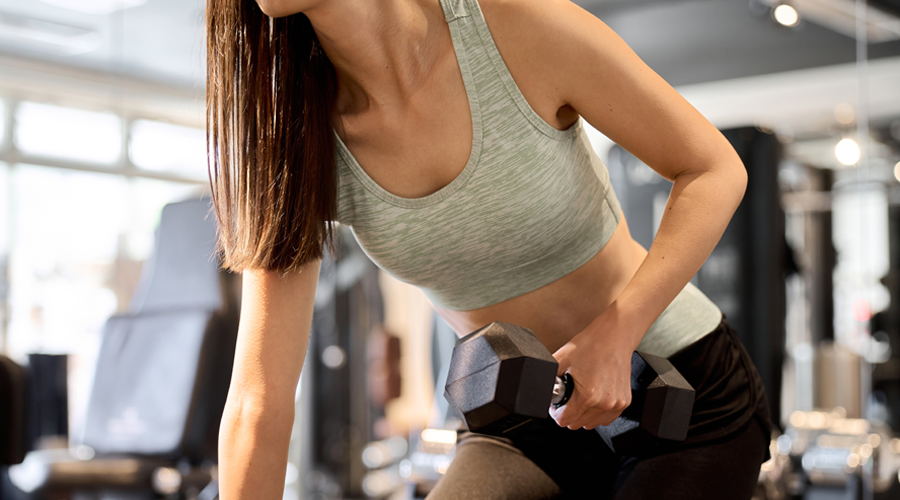
      Hello Ziddis! The fitness world is ever evolving. So much study and research is being conducted to make sure people get healthier the right way. A new generation of athletes and gym-goers is now getting familiar with Mind-Muscle Connection 2.0. This is a more intentional, aware and internally focused on its preceding theory. This is an approach that combines strength training with mindfulness. This way, your workouts feel like an interaction between your physical and mental health-body and brain. Mind-Muscle Connection 2.0 rules out the “just lift heavy” attitude and instead prioritises how you lift

      Mind Muscle Connection

      The mind-muscle connection is a conscious ability of your body and mind to focus on a specific muscle while it is doing the hard work during a workout. You don’t just move weights from point A to point B, but actively feel the muscle contracting and lengthening. Here are a few examples to help you understand:

      When you squat, your attention is focused on the muscles engaging in this so that you do not engage other muscles, like back muscles. This reduces the risk of injury.

      Research has shown that internal focus can increase muscle activation, especially if the exercises are targeting isolated muscle groups. MMC 2.0 goes way beyond flexing. It is a quiet amalgamation of breathing, nervous system regulation and being present in the workout.

      Brain Muscle Connection

      The brain-muscle connection is a neurological foundation behind MMC. Every movement begins in your brain. The motor neurons give signals to muscle fibres to contract, and that is when you can lift weights. Imagine training with intention and awareness. You can strengthen your brain muscle connection. Here is why modern neuroscience thinks this is an approach worth incorporating:

      • Slow, controlled reps enhance neural recruitment
      • Focused attention improves motor learning
      • Reduced distractions improve movement efficiency

        This is why practices like tempo training, pauses and unilateral exercises feel a bit more straining mentally, and that is not a bad thing. You are asking your brain to work with you as you exercise your muscles. It is not an autopilot activity.

        Benefits of Mind Muscle Connection

        Benefits of Mind Muscle Connection

        Training like an athlete who has mastered the mind-muscle connection has more to offer than one can imagine:

        • Better muscle activation: Focused attention increases engagement of the target muscle, leading to more effective workouts even with lighter weights.
        • Reduced injury risk: Mindful movement improves form awareness, joint positioning and stability. This lowers the chances of ego lifting and straining yourself.
        • Improved strength and hypertrophy: quality reps matter more than quantity. If your muscle activation is enhanced, you can improve your long-term muscle growth and progressive overloading.
        • Nervous system regulation: Slow and intentional lifting when combined with breath control can keep cortisol levels low even during high-pressure workouts. This reduces workout-induced stress.
        • Mental clarity and presence: Many athletes report reduced anxiety and better emotional regulation when training mindfully.

          Mind Muscle Connection Training

          To train with Mind-Muscle Connection 2.0, you do not necessarily need fancy equipment. Just bring in your intentions, patience and trusted gym supplements.

          • We start by slowing down the tempo
          • Reduce load but increase control
          • Use your breath as an anchor. Exhale during exertion and inhale during release.
          • Minimise distractions like phone usage, loud conversations, and rushing through the exercises.
          • Visualise that your muscle is working with you as you lift and drop.
          • Finish by mentally scanning your body to notice any warmth, fatigue, or tension.

            Read Also: Mind-Muscle Connection: What’s the Hype About, and is This the Secret to Effective Training?

            Takeaway

            Mind-Muscle Connection 2.0 is a fresh shift from toxic fitness culture. It takes you from performance-only goals to embodied strength. Training like a mind-body athlete is all about respecting your muscles as well as your nervous system. If you want to further strengthen your muscle game, you can start with creatine.

            Protein Coffee, Greens Powders & Trending Functional Foods

            Hello Ziddis! The protein coffee reels have started gaining a lot of focus on social media. From glowing skin to better metabolism, these coffees and green powders are pitched for all things functional nutrition. But is this wellness fad just a hole in the pocket or a real deal you must have in your pantry? Let us understand how these trending functional foods are here to make our health better.

            Functional Nutrition

            Functional nutrition focuses on how food affects your body at a cellular, hormonal and neurological level, not just as a food for calories and macros.

            Unlike our regular food, functional nutrition is analysed based on deeper concerns such as:

            • Does this food improve gut health?
            • Does it reduce inflammation?
            • Does it support brain function?
            • Can this boost immunity?
            • Can this help with faster recovery?

              This is why ingredients like protein blends, green powders, adaptogens, omega-rich seeds and fermented foods are making all the noise on reels and in the grocery aisles.

              Protein coffee isn’t just caffeine with aesthetics. It is a powerful combo of:

              • Caffeine for alertness
              • Protein for muscle support and satiety
              • Stable energy without sugar crashes

                This makes it functional in action.

                Functional Diet

                A functional diet is not restrictive. In fact, it is intentional. Instead of having a mindset of how little one needs to eat, functional diets help shift the focus from quantity to quality. It makes you think, “Does my body need this to function better?” This diet includes:

                • High-quality proteins
                • Vegetables rich in fibres
                • Micronutrients like vitamins and minerals
                • Antioxidants
                • Healthy fats

                  Trending functional foods like green powders fit here because they help in bridging the nutritional gaps for people with strict dietary preferences, such as:

                  • Lactose-intolerant people
                  • Vegan people
                  • People who otherwise skip vegetables
                  • People who require more nutrition with fewer calories
                  • People who experience allergies, inflammation, fatigue, or bloating

                    Diet for Improving Memory

                    Diet for Improving Memory

                    While functional foods are known for their good impact on physical health, brain health is still a lesser-researched area for functional foods. But what we know from the recent research is that people are now choosing functional foods because of evidence of:

                    • Improved focus
                    • Better memory retention
                    • More mental clarity
                    • Reduced stress levels

                      Some of the functional food ingredients you should find on the label if you are looking for a a diet to improve your memory and brain health:

                      • Antioxidants
                      • Omega-3 fatty acids
                      • B-vitamins, especially B6, B9, B12
                      • Magnesium
                      • Polyphenol

                        Some functional foods that support cognitive health include:

                        • Matcha and coffee paired with protein
                        • Green powders with spirulina or chlorella
                        • Flax and chia seeds
                        • Fermented foods

                          Immunity Nutrients

                          Following the pandemic, there has been a shift in mentality regarding health and wellness. The need for stronger immunity has struck the right chords. This means that immunity-boosting nutrients are more researched and sought after. Some key immunity-supporting nutrients include:

                          • Vitamin C
                          • Vitamin D
                          • Zinc
                          • Iron
                          • Selenium
                          • Antioxidants

                            Green powders have gained popularity because they are a perfect combo of easy and healthy. One serving of this comes with plant compounds, which help fight oxidative stress in your body. One must also focus on supportive functional habits such as:

                            • Taking care of gut health because that is where most immune cells live
                            • Improve your protein intake via your choice of intake, be it protein powders, protein bars or dairy and meat.
                            • Make sure that you consume enough micronutrients
                            • Have a consistent sleep cycle

                              Read Also: Nutritional Importance of the Timing of Your Last Meal of the Day

                              Takeaway

                              Green powders are not magic potions, and protein coffee is not a quick fix. Functional nutrition is all about building a lifestyle that makes you a healthier person. Step by step, you must use functional food as a tool for better energy, sharper focus and stronger immunity.

                              Walk More, Lose More: The 10,000+ Steps Revival

                              Hello Ziddis! If fitness trends had awards, this one would have gotten an award for consistently being the most trusted and followed! Any guesses? The 10k+steps trend. For years, it has been a go-to fitness advice for any beginner. No complex programs, no burnout culture, just walking! Let us know more about this trend and how it is a great one for you!

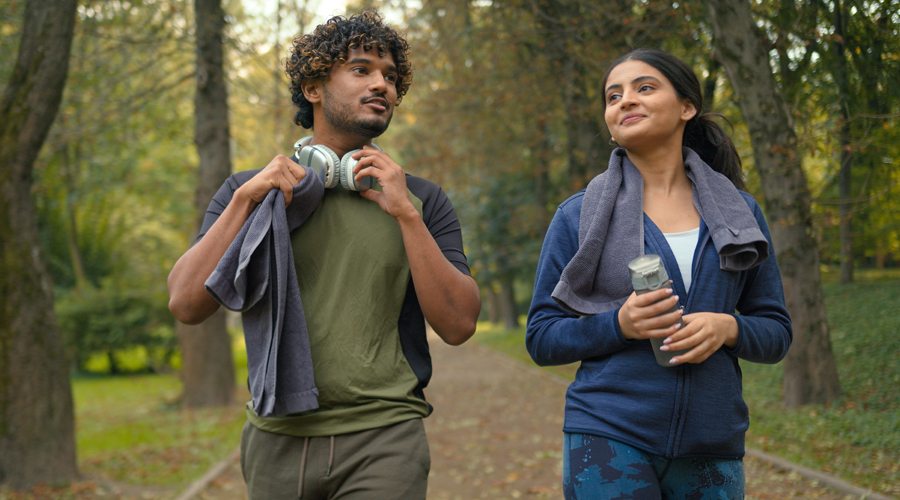
                              Walking Workout

                              Walking is the most underrated exercise. But here’s the catch: one assumes that 10,000 steps is the bare minimum, the easiest one, “a cakewalk”! But it is not. Unless you take it up as a task, you wouldn’t know how tough it is. Unlike high-impact exercises, walking works with your body, not against its resistance.

                              Here’s why walking is a good workout:

                              • Low-impact and joint-friendly.
                              • Activates large muscle groups like glutes, hamstrings and calves
                              • Improves cardiovascular endurance.
                              • Reduces cortisol instead of spiking it
                              • Easy to sustain daily
                              • No performance anxiety

                                Level up your walking working with:

                                • Brisk walking
                                • Incline or stair walking
                                • Short speed intervals
                                • Weighted backpack walks

                                  Even 30 to 45 minutes of intentional walking has proven to improve your circulation, digestion, and energy levels. This makes it the most impactful low-effort workout.

                                  Weight Loss Through Walking

                                  You can totally achieve the impacted weight loss through walking. Here is how walking can do it for you!

                                  • Increases daily calorie expenditure
                                  • Improves insulin sensitivity
                                  • Supports hormonal balance
                                  • Reduces stress-driven fat storage
                                  • Encourages better digestion and sleep.

                                    In comparison to the extreme, high-pressure workouts, walking is more calming. It does not trigger hunger spikes. Walking keeps your appetite more regulated. This is ideal for people who want slow, sustainable fat loss without burnout.

                                    Pro tip: Walking for 10 to 15 minutes after every meal helps improve insulin sensitivity.

                                    The 10,000 Steps Challenge 

                                    The 10,000 Steps Challenge 

                                    The 10,000 steps challenge never died; it was just underground, beneath all the HIIT and sweaty workouts. Why do people love this challenge? Here’s why:

                                    • Clear daily goal
                                    • No gym membership or equipment required
                                    • Easy to track on phones and watches now
                                    • Flexible
                                    • Builds a sense of routine and discipline
                                    • The slow fitness trend has romanticised it
                                    • “Hot girl walks” and “soft girl workout” propagate it.

                                      There are ways to have fun in this challenge:

                                      • Tune into a podcast on your walk
                                      • Find a walk buddy for yourself to do this challenge
                                      • Have fixed slots in your day for this to make it more like a goal
                                      • Make a playlist for your walk

                                        10,000 Steps a Day Benefits

                                        Walking 10,000 steps daily offers benefits that go far beyond the scale.

                                        I. Physical benefits:

                                        • Improved cardiovascular health
                                        • Better blood sugar control
                                        • Enhanced joint mobility
                                        • Increased metabolism
                                        • Improved posture and balance

                                          II. Mental and emotional benefits:

                                          • Reduced anxiety and stress
                                          • Better mood
                                          • Improved focus
                                          • Better sleep quality
                                          • A designated time for solitude and reflection or mindfulness.

                                            III. Lifestyle benefits

                                            • Encourages daily movement
                                            • Reduces doom-scrolling
                                            • Easy to start and continue
                                            • Fits into a busy schedule

                                              Read Also: How Many Steps Do You Actually Need to Walk Per Day?

                                              Takeaway

                                              The revival of the 10,000+ steps trend is a great move in the fitness industry. Walking is the very foundation for fat loss, fitness and mental well-being. Pair your walking habit with a healthy eating habit, like swapping junk for fit foods and starting your day with oats protein.

                                              The Gut Brain Axis: Why Your Mood Starts in Your Stomach

                                              Hello Ziddis! We often think of emotions to be originating solely in our mind. But here is a fun question, why do we call it a “gut feeling” or why when we are upset or scared, we feel it in our stomach? Science shows that many moods are shaped in our gut. From anxiety to low energy, from mental clarity to emotional balance, the digestive system, aka the gut, plays a huge role in your emotions.

                                              But it is not just a one way road; this is a two-way communication between your brain and your gut. Researchers call it the Gut-Brain Axis. This concept is here to teach you have your mental wellbeing can shape your physical wellbeing.

                                              Gut Brain Axis

                                              The gut-brain axis is a bidirectional communication system that connects your GI tract and your central nervous system. This connection operated through:

                                              • The vagus nerve
                                              • Hormones and neurotransmitters
                                              • Immune system signalling
                                              • Gut microbiota

                                                To make it simpler, just imagine your gut and your brain having a constant conversation via walkie-talkies, which are all the elements mentioned above.

                                                Gut Health and Mood

                                                One of the most striking discoveries in all of the research done regarding the connection between gut health and mood is that around 90% of serotonin, aka the happy hormone, is produced in the gut, not the brain. Which means if your gut health is compromised due to poor diet, chronic stress, inflammation, antibiotic overuse, or irregular sleep, it can directly affect serotonin production and mood regulation.

                                                This is why people with gut imbalance often experience

                                                • Anxiety
                                                • Low motivation
                                                • Mood swings
                                                • Irritability

                                                  When your gut is nourished and healthy, it can support your emotions and make you calmer and happier and vice versa.

                                                  Gut Brain Connection

                                                  As we already know, the Gut Brain connection works as a two-way street. Here is how each interacts with the other:

                                                  1. Brain to Gut
                                                    1. Stress triggers the digestive system to slow down the process or causes spasm
                                                    2. Anxiety can alter gut mobility and acid secretion
                                                    3. Emotional distress can worsen your IBS symptoms
                                                  2. Gut to brain
                                                    1. Inflammation in the gut sends distress signals to the brain
                                                    2. An imbalanced microbiota can increase the stress hormones
                                                    3. Poor digestion can make you lose your focus and cause brain fog.

                                                  This is a constant loop of feedback, and it explains why mental health and digestive issues are interlinked.

                                                  Mental Health and Digestion

                                                  Digestive health is now recognised as a key pillar of mental well-being. Many mental health conditions, such as anxiety, depression and chronic stress, are also proven to be linked to digestive discomfort in many cases. Mental health issues can manifest into digestive issues such as:

                                                  • IBS
                                                  • Acid reflux
                                                  • Bloating
                                                  • Slow digestion
                                                  • Food sensitivities
                                                  • Inflammations

                                                    Having meals at regular timings, mindful eating, practising stress-reducing activities, and gentle movement can improve your mental, emotional and digestive health.

                                                    Microbiome and Mental Health

                                                    Microbiome and Mental Health

                                                    Your gut microbiome is made up of both good and bad bacteria. Both play a role in healthy balance, supporting digestion and impacting your mental health. This balance is disrupted due to reasons like stress and mood disorders. A diverse healthy microbiome helps with:

                                                    • Reducing inflammation
                                                    • Regulating stress response
                                                    • Producing mood-supporting neurotransmitters
                                                    • Strengthening the gut lining
                                                    • Improving your sleep quality

                                                      What helps the microbiome thrive better is:

                                                      • Fibre-rich whole foods
                                                      • Fermented foods
                                                      • Regular physical activity
                                                      • Quality sleep
                                                      • Stress management practices like yoga, meditation, and breathwork

                                                        Read Also: Gut Health Workouts: Yes, Your Fitness Affects Your Gut

                                                        Takeaway

                                                        The gut brain axis reveals a powerful truth, your mental well being doesn’t start in your mind but also in your gut. So, make sure you have quality food, quality gym supplements, nurture the healthy gut microbiome, and keep your mood well.

                                                        Hybrid Athletes: Why People Are Lifting and Running Together Now

                                                        Hello Ziddis! The hybrid athletes movement was booming big time in 2025! Have you heard of it? If not, we are here to tell you what the air is about and if this is something you would be up for!

                                                        Nowadays, people don’t just want to look fit, they want to be strong, fast, capable, fit and healthy! Mixing strength training with endurance work creates a level of fitness that’s powerful, functional and sustainable.

                                                        Hybrid Athletes

                                                        A hybrid athlete is someone who trains not just for strength but also endurance at the same time. This means lifting heavy weights and running, cycling or doing conditioning work. Why it is trending now:

                                                        • It builds a more complete, versatile body
                                                        • It improved heart health and muscle strength
                                                        • It prevents reaching plateaus because the training stimulus changes constantly.
                                                        • It depicts daily chores like climbing stairs or lifting groceries and helps you do those activities without straining yourself.

                                                          Hybrid athletes aim to be well-rounded in their health approach. They end up strong, fast, flexible, mobile and adaptable.

                                                          Hybrid Athlete Nutrition

                                                          To support the demands of a dual style workout, one needs to have nutrition that doesn’t just support muscle building but a holistic, strategic and performance-focused meal.

                                                          • High protein meal: It is important for muscle repair, strength gains and recovery. Around 1.6 to 2.2 grams per kg of your body weight is good.
                                                          • Carbohydrates for fuel: Running and strength training burn glycogen faster and help the carbs to power your workout. Whole grains, fruits, potatoes, oats, and rice are staples
                                                          • Healthy fats for hormones: Avocado, nuts, seeds, olive oil, help maintain energy and reduce inflammation.
                                                          • Pre-workout fuel: You need a small carb source, such as bananas, dates, or even toast, to boost endurance and strength performance.
                                                          • Post-workout meals: This is an important meal for recovery and reducing post-workout fatigue. You can follow a simple formula: Protein + carbs within 2 hours of working out to replenish glycogen and repair muscle.
                                                          • Hydration and electrolytes: Hybrid athletes sweat more due to higher training volume.

                                                            Hybrid Athlete Recovery

                                                            Because training loads are higher, recovery becomes a critical part of the routine.

                                                            • Sleep for 7 to 9 hours, which is where the real gains happen
                                                            • Mobility work for 10 to 15 minutes daily to prevent tightness from heavy lifting and running
                                                            • Active recovery via light walking, stretching or yoga helps reduce fatigue.
                                                            • Rest days are important too, so remember to at least give 1 full day of rest to yourself every week to avoid burnout
                                                            • Cold or heat therapy for soreness
                                                            • Proper nutrition is the star of your plan.

                                                              Hybrid Athlete Training Program

                                                              Hybrid Athletes Training Program

                                                              A simple weekly structure that balances both qualities:

                                                              • Day 1- Lower body strength training and an easy run
                                                              • Day 2- Upper body strength training
                                                              • Day 3- Speed or interval run
                                                              • Day 4- Full body strength training and a short run
                                                              • Day 5- Long run for 40 to 70 minutes
                                                              • Day 6- Yoga
                                                              • Day 7: Rest

                                                              This structure develops strength, power, endurance, speed, and overall athleticism without burning out.

                                                              Read Also: Desk Athletes: The New Fitness Routine to Do From Your Desk

                                                              Takeaway

                                                              Becoming a hybrid athlete is a great option for you if your goal is to get healthy and fit. Such training can help your body do everything it needs to function optimally. With good nutrition, proper rest and recovery, effective workout techniques, and trusted gym supplements like creatine, you can start 2026 on a healthier note.